There has been a lot going on at The Dicey Review lately, and we wanted to take a moment and share with you guys some of the things we are working on, and touch base with all of you about how things are shaping up. Don’t worry, this will be a quick update, and we will get back to the games!
If you follow us on YouTube, (If you don’t check out the channel for more walk-throughs and reviews!) you’ve probably noticed some changes with what we have been doing lately. Also, if you watch the channel, you’ve probably seen the video that has most of this information, but we are going to include some behind the scenes photos at the end if you want to see those! One of the things that we have really been striving for, is an improvement in quality. So through some partnerships that we have, we were able to secure a space that gave us access to near production-quality equipment, including microphones, cameras, recording equipment, lighting, and editing software. We were really pleased with the results, and we were sure everyone else would be as well.
Needless to say, we were a bit confused when we started getting some feedback that people weren’t really liking the new format. After carefully considering all of the feedback, we realized where we had gone wrong. In our excitement to use all of the new things we had access to, we forgot one really important aspect of what brought all of you to The Dicey Review for video content in the first place; us making sure the games are the star of the show.
All of us here at The Dicey Review are passionate and excited about games and gaming, and we want to share that passion with all of you! But we realize, particularly with some of the most popular video content we have created, namely walk-through and how to play videos, that we need to work our hardest to make sure that you can see what we are talking about first and foremost.
With that in mind, we’ve changed it up, and we are doing videos a little differently now and so far we think that it is really going to be a lot better. We still have improvements to make, and we really love to hear all of your thoughts on how we can be better, but we think that we are getting there.
One thing that we have heard from you as well, is that you’d like to see more of the review side of things. We would love to share our opinions with you! We have some more of the review aspect of things here on the website and in our podcast, but we know that some people really like to watch videos.
One aspect of that we would really like to address is that we have an agreement of sorts with Mr. Stephen Buonocore at Stronghold Games to make how to play videos for his games in return for a little bit of exposure. If you follow Mr. Buonocore on Twitter, you might have noticed some of his tweets about our recent videos. That being said, we probably won’t be giving reviews on the Stronghold Games videos, but we will talk about them in articles and on the podcast if we get a chance to play them enough. In some of our other videos, we would love to start sharing our thoughts with you.
At The Dicey Review, we really strive to make content that you find valuable and entertaining. We also want to make content we are proud of. We will continue striving to do that, and we will be listening to all of your feedback. Let us know what you think! We look forward to trying to get a lot more content out there for you to enjoy.
If you want a brief look into how we make our videos, We have a couple of pictures of the new set-up:
New gaming table is coming soon!
We had business to attend to
We were having a serious discussion
Very intent
Thanks so much for reading, and we will see you at the table!
Hello, dear reader and good morning/afternoon/evening! (To be fair I don’t know when you will be reading this, I have to cover my bases wouldn’t you agree?) If you’re anything like me you love a good mythical theme involving magic. If you add one that’s whimsical and fun on top of that with mechanics that are crunchy and tense and fun to boot? Color me intrigued. Today I am going to write about a game that to me encapsulates all of the qualities I’ve mentioned above. The game I’m referring to is Broom Service by Alexander Pfister and Andreas Pelikan.
In Broom Service, the players take on the roles of witches, druids, gatherers, and fairies to try and deliver different colored potions to towers around the map. Players can also charm clouds away and collect tokens for doing that which will give them more and more points at game’s end based on how many they have. You will also have points at the end of the game based on the resources you have in your supply.
At the onset you may say the game sounds a bit simplistic, you’re trying to move on the board and deliver for points. The thing about Broom Service is that there is a fascinating card play mechanic that utilizes a trick taking style interaction. Each player has 10 cards that are identical, and each person must pick four cards to play each round. When the starting player for the round plays a card, each other player in clockwise order must play that card if they have it. The trick is (see what I did there?) that each card has two options: a brave and cowardly action.
The cowardly action is safe. When you play the card you instantly get to take that action. Then the next person who may have the card plays it and chooses cowardly or brave until all players have chosen. Brave actions are much better than cowardly but there is a risk associated with choosing the brave action. If you say for instance, “I’m the brave hill Witch!”, the person to your left may say “no I’M the brave hill Witch” and play that card. When someone chooses the brave action after you, it cancels out your action and you don’t get to do anything.
This very interesting trick taking card mechanic can create soaring highs or plunging lows for players. If you are for instance one of the lucky few that leads a card and brazenly declares that you are the brave role, and then make it through the gauntlet of other players vying for your points, a great sense of accomplishment and satisfaction can occur. You may end up on the flip side of that coin, however. You’ve played the brave action and made it all the way through the round to the very last play. You then notice the devious grin on that player’s face and the wickedness in their heart as they slam down the role card that you selected and shout “BRAVE!” as loudly as they possibly can. This crushes your hopes almost completely as your plan is now dashed.
This can be a very tough round to go through but one thing I’ve learned the more I play the game is that timing is quite crucial in Broom Service. You have to make sure that you select cards that don’t require a certain chain of events to take place. You will almost assuredly not be able to complete your objective if that is the case. I played quite a few rounds trying to pull off a big combo and optimize my possible points before I learned the lesson; you have to have a safe plan, and a backup plan, and then optimize your points within those plans. You will almost never have things go completely your way, and that’s part of the fun of Broom Service. As an example, you may select the Weather Fairy card thinking “I just need to move here to be adjacent to a cloud” or “I’ll play that card to get more wands and then I’ll be fine”. What always seemed to happen to me is that turn one of the round, someone would play the Weather Fairy making the rest of my actions useless. Once again, this type of strategy required too much going my way, you have to avoid that if at all possible and you will do much better.
One of the things that I really enjoy mechanically about the game is the ability to move two pawns instead of one. This accomplishes a couple of things. One, it allows you to spread out more easily to reach more of the board. Two, it allows you to go a different direction if someone is tagging along and making things difficult for one of your pawns. I had an instance in a game recently where a player was moving everywhere I needed to move, or delivering to towers before I had the chance leaving me blocked. I was able to switch my strategy mid game and focus on the other side of the board which allowed me more freedom towards the end of the game. I like this quite a bit because it allows to be flexible and react to how other players will play.
That’s one of the areas where this game really shines. It’s a game that has a Euro feel with the victory points and resource collection but has so much player interaction. This game gave me a feeling similar to Camel Up where everyone around the table was engaged and yelling when certain cards or actions were revealed, or when someone really bluffed well and didn’t have the card at all. The interaction is quite a bit of fun.
There’s a lot of fun packed in this box. There’s also quite a bit of variability packed in the box as well. The game comes with ten event cards, seven of which will be used each game. These event cards provide a different strategy to pursue or limitation to overcome each round. There are also cloud tokens that can be collected for end game points, but some of the cloud tokens also have special requirements that allow for different actions and ways to score points. There are two sides to the board that allow for more variability with travel and there are also different tiles that relate to the land types around the board as well. You can play with multiple variations on both sides of the board to create tons of unique combinations and strategies. Overall for a $45 game, this is quite a bit of content for what you’re paying.
So you have a good feel for the mechanics and some of the interactions but what does this game do really well and what does it do poorly? As my friend, Nacho Libre would say, “let’s get down to the nitty gritty”. One thing that I’m not a huge fan of in the game are the Bewitched cards. This is something that the game incorporates in games with less than five players to steer players towards picking the same cards. What happens is a certain number of unused player cards are turned over each round (based on the number of players) and these cards are penalized for the round. If players choose to play any of the Bewitched cards they lose three points per card. This creates more player interaction which the game definitely does better with. I just don’t always like losing points when playing something that I really need. I will say however that I completely understand why the bewitched cards were needed, they just aren’t my favorite part of the game.
When I really think about the bewitched cards and lower player counts I started to realize that this game really shines at four or five players. It’s fun at two or three it just becomes much more tactical and thinky. At four or five players the strategy is still there but there’s also just so much fun interaction between players.
Broom Service isn’t too complicated to play with younger teenagers which makes it a great choice for a family game that everyone will enjoy. If you want to utilize some or all of the variations on top of that it will create a much more interesting experience with more decisions with every turn. Overall if I had to give this game a numerical rating I would probably round up to an 8 out of 10 based on BGG’s rating criteria. This rating is listed as “very good – enjoy playing and would suggest it”. That statement couldn’t be more true for me. I very much enjoy playing this one and I think you will too. I’ve bought this game for two members of my family and will keep recommending it to people looking for a great family game.
I hope you’ve found the article informative and helpful. If you have any questions email thediceyreview@gmail.com. If you want to know how to play the game I’ve uploaded a how to play and thoughts video on the Broom Service BGG listing and I’ve posted it below. Thanks so much and until next time, I’ll see you at the table.
Hello Dear Reader, I hope today finds you well. I’m writing this to you from the comfort of my cubicle in sunny north Texas where outside it is currently a balmy 73 degrees Fahrenheit. As I wind down near the end of my work day I find my mind drifting as it often does to boardgames. I find myself thinking mostly of Uwe Rosenberg’s games lately as this year I have had my own personal voyage through Mr. Rosenberg’s catalog of games. One of my main objectives was to play Uwe’s “harvest trilogy”. Many people refer to At the Gates of Loyang, Agricola, and Le Havre as his “harvest trilogy” because each game has aspects of harvesting that are important to the game. I have covered At the Gates of Loyang and Agricola previously. The game that I want to discuss today is Le Havre.
I was lucky enough to find the at that time out of print Le Havre at a local game store in mid 2016. In addition to finding the original copy in shrink it was marked 50% off allowing me to pick up the title for a little over $35. I was absolutely thrilled to be able to find the game because I wanted to learn each title in Rosenberg’s “harvest trilogy” and thanks to reprints, I had two of the three. What I felt the more and more as I played Le Havre was that it might be the most accessible and appealing of the three.
Le Havre is named after the game’s setting of Le Havre, France. Le Havre is an area in France’s Normandy region where the Seine river meets the English channel. Each player is vying to become the preeminent shipping magnate of the region by managing, converting and upgrading resources to build ships and buildings to become the most wealthy player. The theme of the game once again does what all other themes of Uwe Rosenberg games do for me. The theme seems rather uninteresting at first (maritime industrial growth? Not my first thought when looking at games). What I find however is that similar to all Rosenberg games, the more I play it the more beauty I see in the mundanity of some of his themes. The artwork is beautiful and engaging, the colors are quaint and appealing and the setting is light and whimsical while still maintaining a strategic relevance.
Theme aside there is much to love about the mechanics of Le Havre. The sequence of your turn is very simple. You move your ship meeple and perform the Suppy Action (which just means you put some goods on the board based on what the tile you landed on says), you then take a main action (either take one type of good, or use a building), and then you can optionally take additional bonus actions. The bonus actions are selling buildings you own, buying buildings the town owns, or repaying a loan you might have been forced to withdraw during a harvest or interest payment. After this the next player takes their turn and this continues until one player reaches the end of the seven space track, which begins the process over again after feeding and a possible harvest takes place.
Now looking at the basic turn structure one might think that the game is a bit too simplistic. I would argue that the game is not dumbed down but rather streamlined and I think there is a huge difference. If you are playing one of Rosenberg’s other titles, A Feast for Odin for instance; your turns and the sequence of the game is much more involved and complex. The simple elegance of the turn structure in this game is a beauty of design. The fact that the game is streamlined doesn’t take away from the strategic depth however, it just allows the depth and strategy to be more easily revealed and utilized. You won’t get bogged down in the step by step complexities that some games present, which leaves you able to focus on the pure resource management, action selection/worker placement, and shipping that makes this game so enjoyable.
At its heart, Le Havre is a worker placement game that allows players to focus on synergies and strategies provided by the large selection of buildings available in the game, and upgrade resources to maximize the potential shipping value of goods, or create more valuable resources to build ships and buildings. There are chains of abilities that you can take in Le Havre to make one resource into another and continue to upgrade until you have completely different resources than what you started with. You could take cows from the offer, and then turn those cows into meat and hide, and then upgrade the hide to leather and coins, and then sell that leather on a ship for far more points than what the cow was worth initially. This process can be extremely satisfying to puzzle out.
In addition to the puzzly nature of Le Havre, the special buildings that are included in the game (in addition to the free Le Grand Hameau expansion that comes in the box) provide scores of replayability to the game. Each game a number of special buildings will be placed on the board that will come out throughout the game and provide new options for players and fun strategies that will differ from game to game.
One thing that I really like about Le Havre in comparison to Agricola and other Rosenberg games, is that the feeding requirements in this game feel much less punishing. If you can’t come up with food or money to meet the food requirements you have to take a loan of four Francs to be able to pay (and you may have to take more than one loan). The difference between the loans and the begging tokens in other games is the loans can be paid back before the game is over. While taking loans is not optimal by any stretch of the imagination, it doesn’t instantly mean that you will likely lose like the begging tokens in Agricola. This makes a huge difference in the play experience of Le Havre. I personally love Agricola and don’t mind the feeding phase but I can see how it stresses some players out, which is why I feel Le Havre’s feeding structure would be a friendlier point of entry for players that feel stressed by Agricola.
The other major component to this game is the purchasing or building of ships. Ships can do a number of things for you. First of all, ships provide a victory point bonus which can add up to a nice little sum in scoring. Ships also reduce your food requirements fairly significantly depending on the number of players. This ability by ships can be absolutely game changing, because so many of the actions that you would normally have to spend gathering food can instead be used to gather goods or earn points. Once again the early planning and engine building of a Uwe Rosenberg game is one of my favorite parts. The last thing that ships do for you, is allow you to ship goods for money (i.e. points). This can become an incredibly satisfying strategy to pursue throughout the game. Buying buildings that allow you to upgrade goods that are valuable and then shipping those goods for coins is very powerful.
One other interesting thing about this game is the way the worker placement happens. If a player places their worker disc on a location, they are not required to move their worker at all. This means that if a player goes to a location and then doesn’t move that location is blocked until either that player moves or the building is bought or sold. This can be very frustrating for the player who wants to take the action but it can also turn into a fun game of cat and mouse. For instance if a player A owns a building and player B knows that building is very valuable to player A; player B can go to that location and then stay there, forcing player A to sell that building and lose potential points, or find a workaround. Now if a player owns a building and that player’s opponent is camping the building, a player can sell the building and force an opponent off. The problem with this is that the player who is forced to sell loses control of the building temporarily and is then forced to repurchase the building.
When I think about this game from the standpoint of accessibility, I think this one may be the best of the Harvest Trilogy. My favorite of the three is still Agricola but I think I may be in the minority in that opinion. I love the engine building and challenge of Agricola but I think for a broader audience Le Havre will be the winner. I keep thinking of the analogy of Goldilocks and the bowls of porridge. At the Gates of Loyang is too cold, not quite as much depth and less choices to make but still fun to play. Agricola is too hot, tight feeding requirements and a narrow framework that will punish players for mistakes. Le Havre is just right, fun engine building and just enough depth to make your brain happy without the constant worry for feeding your people. Is the requirement there? Yes, you need to be aware of the feeding required but if you miss one or two harvests you can easily recover.
Overall I feel that Le Havre is a winner and one that feels different from other Rosenberg games. I recently listened to a podcast that illustrated the fact that Rosenberg games don’t all feel different enough to purchase each one. You can pick and choose and get a similar experience was essentially the point. I agree with this to an extent. For instance if you own Caverna, you may not need to buy Agricola because the game feels very similar. I personally prefer the theme of Agricola to Caverna but fully respect the opinion of those that prefer Caverna to Agricola. If you own Agricola and Caverna though, buying Le Havre will give you a much different feel and that’s a good thing. The other good bit of news for people wanting to pick this game up is that Mayfair games will be reprinting this game later this year so it’s going to be back in stock. I hope that the article was helpful. I made a how to play video and posted it below so you can see how the game looks on the table and works. Until next time I’ll see you at the table!
When I was younger I loved to draw in coloring books. There was something so satisfying about slowly bringing a picture to life and filling a space with color. Early on there was just one thing that gave me trouble in this venture; staying in the lines. I would spend so much time trying to be perfect and color a picture with no mess-ups. For the longest time, it was impossible, I couldn’t do it. As I practiced, however, I slowly began to get it. I would draw a cleaner line, I would become more patient and careful about each stroke. What I found was staying in the lines and drawing a careful picture produced a wonderfully colorful and satisfying picture. I found myself thinking of this as I played the game I want to discuss today: Agricola.
Last year Mayfair released a revised edition of the classic that everyone held in such high regard and after a few months, I decided I needed to give it a try. I will say that I was a bit hesitant going in because I had heard the nickname “misery farm” thrown around. I had also listened to horror stories of gamers saying “FEED YOUR PEOPLE!” with the same despair and foreboding as the elderly man warning Pacha to “Beware the groove” in Disney’s much under appreciated comedic offering, The Emperor’s New Groove (Seriously…this movie is gold watch it at your earliest convenience. Photo provided below for reference.)
Needless to say, I did not experience misery or despair, in fact, quite the opposite was true. I found that while the game provides limitations that make you “stay in the lines”, the true joy of Agricola is optimizing a strategy within the game’s tight framework that is the most efficient and productive as possible. I love a good efficiency puzzle and Agricola is one of the best that I have played so far. So yes while the game does place some restrictions on you (you do indeed have to feed your people) they don’t feel as overbearing or stressful as I’ve heard. This is obviously my personal opinion (which I know is very important to you). This game may not be for you but I want to unpack the game a bit and try to illustrate what I find so appealing about Agricola.
What is Agricola? Agricola is a worker placement, resource management, engine building game set in a 17th-century farming theme. I know what you’re thinking, “isn’t 17th century farming the setting for Michael Bay’s next blockbuster action thriller?!” While that can’t be confirmed it’s more than likely true. I digress…your goal is to grow a presence on your home board. This can be accomplished by building rooms in your home, growing your family, planting crops, breeding animals, building improvements such as a Joinery or a cooking hearth, playing occupations, and avoiding empty spaces on your board at the end of the game.
As far as the basic mechanics of the game it is very similar to many other worker placement games on the market. What do I mean by worker placement? Worker placement simply means you place one of your worker pieces on a space on the board and take an action or gain resources based on what that space says. So, for instance, you could go to a wood accumulation spot and gather wood. You could then use that wood when you go to a spot that allows you to build fences on your player board. You could then go to a spot that allows you to collect sheep and place them in the fenced pasture that you just created and so forth. This part of Agricola is fairly straightforward and simple in my opinion. If you have played games like Lords of Waterdeep or Stone Age the worker placement will make sense.
What sets Agricola apart from other worker placements for me are four aspects that are different from some other games in this genre; the occupation, major and minor improvement cards, and the harvest.
Occupation Cards – These cards add so much to the game. The basic idea is that you may have a card in your hand from the start that says “when you build fences the first three cost no wood” or “when you gather food you also get one grain” etc. Occupation cards can be played by visiting a certain spot on the board. These occupation cards can drastically change your strategies and how you pursue gameplay options. When you look at the cards initially it can seem like they might not provide a great advantage. One wood here and there or a food extra doesn’t seem like much at the time. If you think of the impact that this advantage will provide over the course of fourteen rounds, however, it can be substantial. If you, for instance, replace two to three wood accumulation actions with a card that discounts fence building, those extra actions might give you the time you need to fill the fences with more animals or grow your house. Now I know it’s this kind of gripping, hard hitting statistical analysis that has kept you captivated so far in this article but get ready…because things are really about to heat up! That’s right….we’re about to discuss…DRAFTING! (roars of cheering crowds and general approval fill the skies)
Over the years many people have fine tuned variants that make the acquisition of these cards at the start of the game more interesting. The most popular variants all include a form of drafting. These variants have become so popular in fact that in the rulebook for my Mayfair Revised Edition many of the popular variants are discussed in print. Now drafting really does for this game is allows you to craft a strategy that is perfectly suited to your play style or at least pursue a strategy that synergizes well. This really creates a much more interesting play experience in my opinion. For example, you might be able to draft the card that discounts your fence building, and then snag a card that allows you to get extra wood or trade wood for food when you visit the wood spot. You can draft cards that work together so well and really experience the joy of planning a strategy and following it to great results.
In the revised edition that I purchased there are only 48 occupation cards whereas in the original there were 166. This smaller selection of cards will still provide you a good amount of replayability as you will more than likely see different combinations each and every game. I’ve played the game eight times so far this year and haven’t seen a combination of occupation cards that plays exactly the same. There has been some overlap but finding new ways to utilize the occupation cards with each other has kept Agricola very interesting for me and I don’t see that becoming too stale anytime soon. There are also expansion decks in the works from what I’ve seen on the BGG forums so there should be some new (actually old re-released) options soon.
Major and Minor Improvement Cards – Major and minor improvement cards are similar to occupations in that they provide you some type of benefit or discount. You also have to go to a certain space on the board to play these cards from your hand or buy them from the board if they are major improvements.
Minor Improvements– Minor improvements will often be a one time benefit that will give you food, or let you plow fields, or give you more clay etc. These cards can be essential if played well to provide just the boost you need to avoid a certain action or get the last needed resource to complete an improvement. These cards can also be drafted at the start of the game to create a more interesting starting position.
Major Improvements – Major improvements are very different from the occupations and minor improvements. Major improvements will be things like a cooking hearth, or a joinery, or a well that provides food and points over a number of rounds. The reason that the major improvements are so different is that they don’t change from game to game, they are the same every time and players must seek out these cards by visiting certain action spaces. You need them to really be able to feed your family and they provide you with tons of flexibility by allowing you to do things like turn animals into food or bake bread from grain to feed your people. There are also major improvements that will allow you to turn building resources into food and give you a bonus at the end of the game for building resources left over. These cards are critically important.
The Harvest – Ah yes…the dreaded Agricola harvest. Stories of the Agricola harvest have made children run in terror and parents weep for over ten years! Veteran gamers weave yarns about the Agricola harvest that would make an old sea captain’s tale seem like a Pixar short film. Here’s a plot for a horror film for you: you need five food to feed your family and the player before you took the last accumulation spot leaving you holding the bag (figuratively of course in actuality you’re holding NOTHING!). Ok, ok I’m joking.
The harvest will happen periodically throughout the game and essentially what the harvest does is allows you to gather crops, requires that you feed your family (which isn’t hard with a bit of planning) and lets you breed your animals. At the end of every round showing a harvest marker on the board, you will be required to complete three phases.
Field Phase
Feeding Phase
Breeding Phase
Field Phase – in the field phase you are required to take one crop from each of your planted fields. I love the farming strategy in this game. During the game, you can take grain or vegetables that are in your supply, and sow a field. This allows you to stack up two vegetables or three grain on your field tiles and then slowly take them off each harvest phase. This does a number of things for you. First and foremost, your grain and vegetables at the end of the game are points, the more crops the better. Secondly, you can use your grain throughout the game to bake bread (if you have some of those major improvements we discussed earlier) which can be a very powerful way to easily feed your family. I also just love the look of your planted fields on the board ready to harvest, it’s so satisfying to me to slowly take your crops off the fields and build your supply.
Feeding Phase – Alright dear reader…go ahead and tell your kiddies to go to bed. Our next topic is too scary for younger readers. We’re going to discuss………THE AGRICOLA FEEDING PHASE!
Ok, ok settle down it’s really not that bad! In this phase, you have to feed your workers by spending two food per worker. You can discount that a bit if one of your workers was gained this round (aka is a baby) you just have to use one food for them. (Quick sidebar, I don’t know what kind of babies they had in the 17th century, but my infant could not consume any of the things in these plates, mainly due to having no teeth…but I digress) The harvests amp up towards the end of the game and you are required to feed your workers more often.
The nice thing about the harvest is that while you do have to feed workers more often, you will also be harvesting crops and breeding animals more often as well. This balance can make up for the frequency if you’ve planned accordingly. The reason that feeding your workers is so important is that you will gain a begging token for each food that you lack in a harvest. Each token is worth minus three points. These tokens can never be discarded or removed once received. So if you’re short three food during a harvest, you will be down nine points at the end of the game. That is quite a substantial amount when your average score may range from 40 to 70.
Breeding Phase – The breeding phase allows you to take one new animal for each animal type you have on your farm. You have to have two or more of an animal type for that animal to breed, and even if you have six animals of a certain type they still only produce one offspring. This can be a very satisfying strategy as well. Once again there is something very satisfying about watching your herds of sheep, boar, and cattle grow slowly from harvest to harvest. Animals can also be a significant source of food. With a cooking hearth you can turn cows into four food each, and boar into three, so animals can be a very rewarding resource. So now that we have established the severity of feeding and the potential penalty a missed harvest can produce, let’s discuss ways to avoid begging markers.
What you will learn after playing the game a few times is that getting some sort of fireplace or cooking hearth early in the game will allow you to feed your family easily. These upgrades will allow you to exchange livestock, or vegetables for food at any time. These upgrades will also allow you to take a bake bread action that gives you two to five food per action depending on which upgrade you have. These upgrades give you flexibility. Did someone take the food accumulation spot? No problem, gather some sheep and convert them. Someone took the sheep? No problem, gather grain and bake bread! These upgrades will save you from begging and allow you to grow your family, which will allow you to take more actions and focus less on the food.
When you play Agricola you definitely have to be cognisant of the fact that people have to be fed. The problem is that when many discuss Agricola they tend to only focus on the feeding and while playing think of nothing else. I find that the more I play I realize going in that I need to take the correct preparations to feed my workers, but what I tend to focus more on is the ways that I can optimize my engine and generate points and goods in spite of the necessary feeding. This is where the beauty of the game is for me. Yes you have to feed your people, yes you have to stay in the lines, but that’s not the focus of the game. The focus of this game is how can you best optimize a strategy and be most efficient within the limiting framework of the game system. Now it may just be that I’m a glass half full type of person and I see the fun in the challenge of Agricola, but I tend to lean more towards this game just being exceedingly well designed.
Each decision you make in Agricola matters and each action you take can have a domino effect on the success of your strategy. You may not realize at first that a card that gives you three vegetables before the game’s end will almost allow you to have a max score in vegetables. Or a card that replaces the reed requirement in building and renovation may save you four to five actions in the game. These decisions and abilities stack up and can be substantial. With the possible combinations of cards even in the base revised edition mastering a strategy within this game would take many, many plays. What that creates is an astounding amount of replayability and value. Please know that I am a fan of crunchy, sandboxy, optimization Euro games. That’s why on my shelf the games that I look to first are games like Agricola, Imperial Settlers, The Colonists, A Feast For Odin etc. So take this review with that caveat. What I will say though as a fan of these styles of game, is that Agricola still feels like one of the better games in this category. Agricola to me holds up very well and still creates a fun, challenging experience that will satisfy your craving for a puzzly, challenging experience.
So if you enjoy worker placement, if you enjoy the freedom to try and make a unique and interesting strategy every time, and if you enjoy a tight game framework that pushes back, I think Agricola might be a good fit. The good news is that with the newly revised edition you can get upgraded meeples and pieces, and still only pay $60 retail which means it is more accessible. Now there is less content in this box than the original but there is plenty to start with and still get plenty of plays. If you end up really enjoying the game there will be expansions sold later to increase your card pool which drastically increases replayability. I’ve made a how to play video so that you can see how the game works and looks on the table. With any questions please email thediceyreview@gmail.com or post a question in our Dicey Review guild on BGG. I hope that you have enjoyed the content and until next time, I’ll see you at the table!
Paul
If your local game store doesn’t have the game you can get it by clicking the image below!
Hello friends! I’m glad to be writing to you again today because let’s face it, I need to talk about some board games. What’s on the docket today? A game that I was lucky enough to pick up at BGG Con by the name of Cottage Garden. Now if you haven’t heard so much about this game that’s a true shame because it’s from designer Uwe Rosenberg who consistently produces fantastic games. One reason that you may not have heard of Cottage Garden is that 2016 was once again another banner year for tabletop gaming. In fact Uwe Rosenberg himself released a game called A Feast for Odin that helped to bury Cottage Garden in the flood of good games! His games are so good they are dwarfing themselves. What a problem to have!
Even though you may not have heard lots of buzz about this game I think it deserves a spotlight and some recognition because for me this game is one that will be played for a long time. The reason that I love this game and will play it is mainly due to the driving mechanism in the game, the Tetris like puzzle completion. Now if you follow Uwe Rosenberg’s games you will know that to date he has now released three games (what I like to think of as his Tetrilogy) that utilize this mechanic and in my opinion they are all wonderful, but each is for a different group.
He first released Patchwork, a two player abstract strategy game that has made its way into my top ten games of all time. He then released Cottage Garden and A Feast for Odin right around the same time later in 2016. Patchwork is fantastic for couples or friends that enjoy head to head strategy. A Feast for Odin is a heavier game that your regular game group of Euro loving buddies will enjoy. Cottage Garden fits nicely in the middle for me; it is a lightweight abstract puzzler that allows a family of four to pit wits against each other.
Now that we have a better feel for where this game sits in Mr. Rosenberg’s catalog we should dive in because each of these games is good for a different reason. Cottage Garden has a bevy of wonderful qualities that make it a favorite of mine for 2016. The theme of Cottage Garden is so wonderfully whimsical and fun. Every Uwe Rosenberg game that I’ve had the pleasure to play has such an unassuming but uniquely beautiful theme, and Cottage Garden is no exception. There is something so satisfying about filling in your garden bed with beautifully illustrated floral polyomino tiles.
To me that is the meat of this game. You have to find a way to select a tile from a central grid that will allow you to most efficiently stock your garden while still leaving open spaces that will score you points. This is a supremely enjoyable brain exercise for me. There is also a neat aspect to the central board that allows you to forecast moves in advance to plan a move or two ahead. The way tile selection works is there is a die (called the gardener) that moves space by space around a central board. On your turn you can select one tile from the column or row that the die is above or next to. The neat thing about the way the board is designed is that depending on your player order, you will have an arrow on the board associated with your turn. The first player’s arrow has one mark, the second player has two marks, the third player has three etc. So you will know that every time the die lands on a column or row with your arrow you will get to pick a tile from that lane. This allows you to plan ahead and potentially pick a different tile due to a tile you might have available one or two turns ahead of time. I love this aspect of the game.
The scoring in this game is interesting as well. You have three blue cubes and three orange cubes on a point track along the edge of your player board. What happens is you will try to cover the open spaces on your gardens but leave flower pots and plant covers uncovered. When all the open spaces have been covered you will score the flower bed. You get to move one of the cubes a space on your point track for each uncovered pot or plant cover. Plant covers allow you to move blue cubes and flower pots allow you to move orange cubes. Blue spaces are worth two points each and orange spaces are worth one for a possible twenty points maximum for each cube. This means that if all cubes reach the end of their track you can score a possible one hundred and twenty points.
At the start of the sixth and final round, any garden that has two or fewer flower tiles on it is discarded. Any garden that has three tiles or more has to be finished. The interesting bit is you must lose two points before every turn taken in the final round. That means you have to move an orange cube back two spaces or a blue cube back one. Now you may end up only needing a turn or two to score a tile and not lose many points. You may have to take four or five turns and that means you would lose ten points potentially! This mechanic creates a challenge of trying to score the most points in the most efficient way possible before the final round which can be frustrating or very satisfying depending on how well you have planned.
Many people compare this game in their minds to Patchwork. While I understand the the comparison because of the shared mechanic I think that these two games differ in many ways and if you like Patchwork it doesn’t mean you will love Cottage Garden. I think that this is an important distinction to make because there have been many negative comments about the game that use Patchwork as the motivation for their disappointment. I want to take a moment to compare and separate the two. If you’re anything like me your initial thought may be “they’re practically the same game…the Tetris mechanic is there and that’s really the game”. What I’ve come to realize however is that using that logic might be a bit flawed because the experience is so much different. The driving mechanic of both games is very similar but to me Patchwork really creates a tight, head to head competition that urges players solve a puzzle but at the same time deny your opponent the opportunity to solve theirs. This push and pull is essential to the experience of the game and can make a wonderfully light “Little Big Planet” type theme feel very tense and challenging. I love that aspect of Patchwork and it is the main reason Patchwork keeps climbing in my estimation and on my list of favorites.
Cottage Garden to me is all about solving a puzzle in the most efficient way possible, and managing your gardens and resources to allow for maximum points before the final round takes too much from you. The experience of Cottage Garden feels a bit like multiplayer solitaire which to me is not a problem (My favorite game ever is Imperial Settlers which has drawn a similar criticism). If you’re a fan of the conflict and the push and pull of Patchwork however you may feel that this game is missing something. Personally I’ve been able to separate the experience and really enjoy both games. I still probably enjoy Patchwork more than Cottage Garden but that being said Cottage Garden I liked more than most games I played in 2016 which to me speaks of how incredible Uwe Rosenberg is. One thing I will also mention is that I love the theme of Cottage Garden more than Patchwork. They are both quirky and different and fun but Cottage Garden is just so beautiful in its presentation and simplicity.
The other reason that I love Cottage Garden related to its gameplay is that it has an official solo variant (which is about 50% of my game time…being a dad can really cut into the game nights 🙂 and this game can also play up to four. Those two factors alone bump this game up in my estimation quite a bit. So all told with the simplicity of gameplay and depth of thought required to really do well, coupled with the beautiful artwork and theming this game is a solid addition to my collection and one I will cherish. If you’re looking to get a Patchwork type experience for your whole family or a couple’s game night Cottage Garden may be a more relaxing yet still satisfying alternative. This is another in a long list of Uwe Rosenberg’s successes. I’ve included a how to play video below this article so you can see how the game looks and plays. I hope you’ve enjoyed the content and until next time I’ll see you at the table.
You’re looking fairly dapper today. If I do say so myself one could say you even look dashing. Now I know we could sit here and exchange pleasantries all day long but there are much more important things to discuss. I want to discuss the topic that’s really on your mind: board games. That’s right friends today I want to discuss the 2-4 player route building, pick up and deliver game Via Nebula by Space Cowboys.
Via Nebula is a 2016 release by Martin Wallace of Treefrog Games fame that pits players as crafters and builders that are trying to populate the Nebula Valley with fantastic structures and clear the mists that haunt the land. The thing that makes this game fun is that in many ways you are trying to work together, but to win you must achieve your own objectives and the balance between the two can be very fun.
Another reason that this game is a winner in my book is that it is a highly strategic game that doesn’t feel too heavy. This means that even people who aren’t convention going, math trading, 10x10ing, podcast creating, cardboard addicts like myself will enjoy the game. This is great news for you family members out there that are looking for new and interesting ways to connect with your loved ones that doesn’t involve spending inordinate amounts of money or sitting in front of a screen…HOORAY!
Now that I have you on the hook with all this talk of cheap entertainment, let me continue to reel you in with a slow and steady stream of tabletop mechanic talk. Are you as excited as I am?! Alright probably not but please stay with me because I want to unpack this game a bit and I would love it if you read along.
As I said earlier this is mainly a route building/pick up and deliver game. There is a little more going on than that however so really quickly let’s talk about what you’re going to do on your turn. When you sit down you’re going to be looking at a hex board filled with resources and fog tiles, as well as spaces reserved for building cities and some spaces that allow you to put more resources on the board.
On your turn you will be able to take two actions out of a possible six. You can do actions in any order you wish and can do the same action twice. The actions you can take are:
Putting a craftsman on the board– You have a number of workers that you can place on the board. This allows you to collect a resource tile that is worth points from the board and place resources down. These resources are used to fill contracts and construct buildings. Now the interesting thing about this is that all players can use the resources you place on the board, but if all of the resources that you generated aren’t used they’re worth minus points for you at the end of the game. So this action can reward you in a couple of ways but it’s also risky. You want to place a resource that people need so that players will be forced to take them and clear you of a penalty, but you also want to make sure that you are able to use enough of the resources to accomplish your goal. Fun balance.
Place a building site– There are a number of spaces on the board that are reserved for building sites. You can place one of your tiles on these sites and claim it for your building. To build a building you have to pay the resources shown on either a common contract that all players can access, or one of two private contracts that you have in your hand from the start of the game. The trick with this is that you can place a site down and hope to build a contract that is in play, and have that contract bought out from under you. This can be quite the challenge to out think the other players and be efficient.
Explore a fog space – This a fun aspect of the game that creates a fun mini challenge for points. At the start of the game each player receives four stacks of blank green hex tiles. The number that you receive depends on the number of players, but each time you empty a stack you gain two points. So if you empty all four stacks you’ve gained eight end game victory points. The other neat thing is that to deliver resources to your buildings you have to have an open path between the resources and your building site. So laying down tiles and creating open paths is a benefit in more than one way.
Explore a petrified forest – This is essentially the same action as exploring fog except that it requires both of your actions to complete. There are special designated areas on the board that have forests on them. You can clear the forest and lay down your green tile which will once again allow you to empty your tile stack.
Transport a resource to a building site– The interesting thing about the building in this game is that you first have to place a worker to unlock resources on the board. Once a worker is placed a number of resources are laid out that everyone has access to. As an action any player can transport a needed resource to one of their building sites as long as there is an unobstructed path to their site (i.e. no fog or forests or forbidden spaces in the way.) So basically if there is a path of empty meadow tiles between a stack of resources and a building site you are working on, you can move one of those resources to your building as one action.
Erect a building– this allows you to construct a building based on the requirements of the contract cards available in the market or in your hand. You move the required resources from the building site to the supply, take or play the desired contract, and place one of your buildings on the board permanently. This allows you to take back your building site tile to be used again. The contract that you complete often will give you some type of one time bonus or endgame scoring ability as well which can be very helpful.
This is essentially the game. After a player has built their fifth and final contract the end game is triggered. The player who completed the final contract gets an end of game card worth two points and does not get another turn. All other players receive one final turn and scoring starts.
From the standpoint of learning to play and the complexity scale Via Nebula is fairly straightforward. It’s not too much to learn and doesn’t tend to create AP that grinds things to a halt. What the game does really well is create fun tension and makes you feel like each turn matters quite a bit. All of the build sites, common contracts and resources are shared meaning that how well you solve the puzzle of completing your contracts is directly dependent upon how well you can outthink and outplay your opponents. The other thing that creates tension in Via Nebula is that your decisions directly impact your opponents. You can buy a contract out from under their noses or move the last resource that they needed from a site they unlocked. How you and your opponents react to these constantly changing conditions is the fun of the game in my opinion. You have to plan, and then adjust your plan, and then react to how your opponent plans. I love that aspect of Via Nebula.
There is also quite a bit of an efficiency puzzle and resource management aspect to Via Nebula as well. The interesting thing about managing your resources though, is that other people have access to them too. So it’s not solely up to you how your wood, food, stone, clay and wheat is used. Doesn’t that sound fun?! The other thing about resources in this game is that like I mentioned above you receive a token worth points for every resource space that you unlock. So you want to unlock the resources that you need, but also unlock resources that you think others need because you get points for doing so. You want to be careful however because any resources that you control and have not been used at the end of the game are worth a negative point. So the question is can you be efficient? Can you collect the resources that you need and also open up the resources that your opponents will need? You don’t want to get left holding the bag but at the same time the risk might be worth the reward. So much fun!
The theming and presentation of this game is beautiful as well. This is a Space Cowboys release and one of the things I’ve noticed about their games is that they have terrific inserts and beautiful art. Via Nebula is no exception. The insert fits everything perfectly, the art is fun and has a wonderful fantasy feel, and if there were an award for cutest meeple of the year the pigs in this game would win unanimously…I mean look at it. LOOK AT IT! It’s beyond adorable.
So overall I think this game is a winner in a lot of ways. It’s not too heavy but provides plenty of fun and player interaction, it’s reasonably priced and is accessible enough that young and old will have a good time. I hope that you enjoy the article and hopefully pick the game up! It’s one of the better games of 2016 in my opinion (which is very important to you I know) and that’s saying something because 2016 was kind of a stellar year for gaming. In fact, two of the games released this year have made their way onto my top 10 of all time. And that list had not changed much for over a year. I’ve uploaded a how to play video to the instructional section of BGG and at the bottom of this article so that you can see what the game looks like on the table and how it plays. If you have any questions please email thediceyreview@gmail.com and until next time I’ll see you at the table!
I know what you’re thinking, you sitting in your cubicle reading about board games because your planned profession of “YouTube board game personality/podcast mogul” didn’t work out and you had to get a day job. I understand dear reader, as I’m faced with this reality as well. Just because you can’t work in the tabletop industry doesn’t mean you stop thinking about games! So what do us board game junkies have to do when faced with the crippling reality of separation from our cardboard addiction for forty to eighty (here’s looking at you doctor) hours a week?! Well we scour the internet for articles of what other people think about the games that we’ve already made up our minds about. So without further ado let me provide you with a bit of daily distraction. A review of a brilliant new game from two time Kennerspiel Des Jahres winner Alexander Pfister, a game called: Great Western Trail. I want to jump right into some unpacking of Great Western Trail because as John Wayne said in one of my favorite western films, “We’re burnin’ daylight!”.
Great Western Trail is a medium to heavy Euro game that has players building decks of cattle, placing personal buildings, moving trains and delivering herds to Kansas City. On a player’s turn they will do three things: move their cowboy along the trail and stop at a location, take actions at the current location, and then draw up to their hand limit. Sounds pretty simple right? This game is easy….WRONG! Great Western Trail is deliciously complex. I want to make it clear that this game is not complex just for the sake of being complex. Every action, and every move feels like a decision that matters. There are three prominent directions to start with in this game. You can use Engineers to travel along a train track and deliver goods to stations along the way. If you like deck-building you can utilize cowboys to buy better and more valuable cattle, this helps you a number of ways but is also just straight points. If you like to build and provide yourself with unique bonuses you can also hire craftsman to build personal buildings along the trail. These buildings can provide you with better actions than all the other players will likely have, and your buildings will potentially give you a source of steady income if placed correctly on the board.
When you look at Great Western Trail and read the rules, it feels like there are a few mini games put together. I got the same feel in Mr. Pfister’s earlier design Mombasa (which still sits atop my list of Euro’s as one of the best). I read the rules to these games and think, “there’s quite a bit going on here. I wonder is this is going to work well?”. What you find after the first play of this game is that not only do all the mechanics work well together, Great Western Trail works like a well oiled machine. By the end of the game players are all taking their turns very quickly and the game flows easily. Not to say that the game flies by it is still a meaty experience that will take a couple of hours to finish, but you never feel bored and there isn’t too much downtime (which is rare in a weighty Euro of this depth).
I want to go into a little more detail about what I see as the three main strategies of the game and what bonuses they provide. Now I don’t want you to think that there are only three paths you can take in this game. There are many roads to victory that can be supplemented by aspects of certain strategies. You may want to build one particular building for instance to allow you to hire more workers. You could then use those extra actions to hire more engineers and take a railroad strategy. This is how the strategies can work in tandem with each other. So let’s take a look at the three workers (in order of appearance on the player mat) and what benefits they can provide!
Cowboys:
Ahh the cowboys. My favorite strategy to take and the one that has never paid out. Which most likely means that I’m not using the cowboys in the right way! Cowboys will help you hire better cattle and more cattle. The cattle cards are great because they allow you to have more and more valuable herds to deliver in Kansas City. Either way you will need to buy at least some cattle or else you won’t be able to deliver very far along the train track. When selling herds of cattle in Kansas city you want different colors and values of cattle to make the most money. You are paid the value shown on the cow for each different card in your hand. So you don’t want to have pairs. The only cows in each starting player’s deck are value two cows in Green, White and Black and a number of value one Grey cows. This means that even if you boost the value of your herd with all of your starting certificates the most value you can squeeze out of the best possible starting hand is ten. This would allow you to deliver to the first really good city to drop off your goods but after that you really need to start delivering more valuable herds. The only way to continue doing that successfully is to have more and different types of cows to sell. Cowboys make this very easy. The other nice thing about getting more cows is that cows have points printed on the front of them. When you buy a cow you are buying straight points. This can be very powerful. Overall the cowboy strategy seems like it should be very powerful but I have yet to unlock the secret to make it really shine after about six plays.
Craftsmen:
Craftsmen allow you to build your personal buildings which can be very good as well. The buildings you can build in your player color are only a benefit to you. These personal locations can allow you to have more powerful actions than all of the other players on the board like being able to buy cattle more than once or hiring more workers at a discount. In addition if you build at certain locations you can take special “risk” actions in addition to your building’s actions. These risk actions may be things like “discard a level 1 cow and move your certificate and gain money”. These bonuses are very strong and can really add up. Any other player that happens to land on your personal building cannot take the actions there, only an auxiliary action which is not an ideal situation. In addition to these actions only being available to you players may have to pay you money to pass the buildings you place. Certain personal buildings have hands on them showing that anyone passing that location has to pay you money if possible. If placed correctly these buildings can be a very powerful source of income.You can then use your ill gotten gains to fund your more powerful personal actions and buy more powerful cattle! Do you see the deliciously evil possibilities?! Mwah ha ha ha! Er…sorry I think I might have gotten carried away for a moment. Let’s continue yes?
Engineers:
Engineers will allow you to move further along the railroad track and deliver to many of the stations on the way. In addition to the cities that you can deliver to you will also have the option of pulling off the tracks to a train station on the other side. If you stop at these stations they give you an opportunity to pay some money and deliver an extra disk from your player board! In addition to delivering the disk you will also be able to switch a worker on your board with one of the station tiles that are at each location. Station tiles will give you permanent in game bonuses or one time bonuses, and they also have some type of end game score modifier. If you manage to collect a good portion of the station master tiles the bonus can be substantial. The engineer player also tends to be further along the train track than everyone else which also saves you money when you deliver cattle so all in all this strategy can be very strong as well.
There are three workers in Great Western Trail but please don’t read this and think that I’m saying there are only three strategies in the game. There are so many paths to take in Great Western Trail; these workers help to facilitate your strategy and play style, not dictate it. There is no scripted play here and no suggested path, the world is your mountain oyster and it’s up to you to find the optimal outcome.
This is the latest from designer Alexander Pfister, and it does not disappoint. With Mombasa, Broom Service, Isle of Skye and Great Western Trail under his belt I think it’s safe to say that Mr. Pfister is one of the most impressive designers in the hobby today. Whatever he comes out with in the future I’m going to want to buy. I have that much faith in Mr. Pfister based on his previous works. It’s rare for a designer to earn my trust this completely as far as game quality is concerned but I have never disliked one of his games. Mombassa is one of my favorite Euros of all time, Isle of Skye is one of the rare tile placement game that I actually enjoy playing and Great Western Trail is creeping its way up towards my top ten of all time.
Great Western Trail is a heavier game and as such it’s not right for everyone. If you’re anything like me though and love games like Mombassa, Terra Mystica, Tyrants of the Underdark and other medium to heavy strategy games then this one is going to be a big winner for you. I can’t recommend Great Western Trail highly enough. It’s MSRP is $69.95 which is completely fair for the quality of game you will receive. It’s currently out of stock almost everywhere (because it’s so awesome) but will be on store shelves again soon. So do yourself a favor and pick this game up as soon as you are able, if you’re anything like me you won’t regret it. I’ve included a how to play video at the bottom of this article so you can see what the game looks like on the table and how it plays. If you have any questions please email thediceyreview@gmail.com. Until next time we’ll see you at the table.
I hope today finds you well and that you are excited to hear about a new (well actually an old) boardgame! Today I want to discuss At the Gates of Loyang by Tasty Minstrel Games, designed by Uwe Rosenberg.
If you’re anything like me you may have experienced a situation like this in your life before. You see an actor who absolutely blows you away with a stellar performance in a movie, or hear a song from a musician that you swear is the best song you’ve ever heard. You then immediately begin searching for anything that person has ever made or been a part of. You begin to experience the joy of discovering that person’s back catalog of work.
I am relatively new to the board gaming hobby. I truly discovered the hobby in late 2014 early 2015. Since that time my collection has grown to almost 200 games. I’m absolutely loving exploring the games that have made waves in the industry. One thing I learned fairly quickly is that the name Uwe Rosenberg holds a place of reverence within the hobby.
When looking at the top games of all time on BoardGameGeek I saw quite a few games from the same designer. Games like Caverna, Agricola and Le Havre were regarded as some of the best games ever made. Due to the play time, cost, and depth of many of Mr Rosenberg’s games, I had a hard time getting his classics to the table.
My first true exposure to his design was with the two player game Patchwork. I loved that game and continued to explore his work from there. So when I recently heard that there was a game that preceded Agricola but was in the same vein I was very interested. I saw the pictures and the components on BGG and was even more excited! Then I found out that Tasty Minstrel Games was planning to reprint this classic! The fates aligned and I was able to purchase a copy at BGG Con. I learned the game and found out that I loved the play experience.
Now I don’t want to just say “I loved the game” and leave it at that. I want to tell you what attracted me to the game and what hooked me for the long haul. So stay with me as I unpack a bit because if you’re anything like me, you’ll end up loving this game too. What are you doing in this game?
You and up to three other players are farmers growing crops and selling those crops to customers at the Loyang Gates to increase your standing on the path to prosperity. The player who is furthest on the track to prosperity wins! This game shares some similarities in mechanics to Agricola. There is a planting and harvesting mechanic similar to Agricola, and there are special use cards that will give you one time abilities. Other than these similarities the games veer away from one another. The thing that I really enjoy about At the Gates of Loyang is that it creates some tension and urgency through certain customers that demand quite a bit from the player, but the tension never feels overwhelming.
At the Gates of Loyang scores a complexity rating on BGG of 3.14 out of 5 which I think is a bit misleading. Don’t get me wrong there is definitely depth to the strategy of this game. At the heart however At the Gates of Loyang is fairly straightforward. You play nine rounds, and your primary goal is to move as far as you can along a “Path to Prosperity” that goes to twenty. Each round you will harvest vegetables that you have planted, then draft two cards to play, then take actions. Now there are absolutely some intricacies to the rounds that have to be learned but At the Gates of Loyang doesn’t feel like a chore to learn, it feels like a privilege and an adventure.
There are a few mechanics that I really enjoy and want to highlight. The first thing I love is the way that you draft cards and the options that the cards provide. The way a drafting round goes is a bit different than most games. Each player will take four cards in hand. Then the start player will play a card in the middle of the table to start a “courtyard” that is used by everyone. The next player in turn order then has the option to continue to add cards to the courtyard and grow the pool of available cards, or keep two cards for the round. The requirement for the draft is that each player has to keep one card from their hand, and take one card from the middle. This creates a really interesting game of cat and mouse from time to time where you may draw two cards that you really love and want to keep, but you have to play at least one. This creates tension because you need to play a card so that you can potentially keep it, but you have to hope that someone else doesn’t snatch it first.
The cards themselves also make the game very interesting. You will see five different types of cards available:
Regular Customers: these cards require a bit of engine building to fulfill. Each regular customer shows two types of vegetables that they want each round for the next four rounds. If you don’t deliver the required vegetables starting on the round you play the card, the customers will start to become angry and eventually they will penalize you in money. These customers can be a steady source of income but they require some planning and strategy to satisfy.
Casual Customers: these cards represent customers that are just casually passing by and don’t have a four round commitment. Casual customers will ask for three types of vegetables once and then they are discarded. They will not penalize you if you can’t sell to them right away, they can hang out for a few rounds. So casual customers can be quite useful to serve but the game takes away some profits from casual customers if you only focus on them and don’t serve any regular customers. Balance is required with this strategy!
Helpers: there are twenty different helpers that you can select in the game. Each of these helper cards will provide a one time bonus that can potentially be very beneficial. It depends on the strategy that you employ but just as with Agricola these cards can really make the gameplay interesting.
Market Stalls: these cards can give you quite a bit of flexibility as they allow you to trade any one or two types of vegetables for different vegetables that you may need more. So for instance if you are producing loads of grain but don’t really need grain at the moment, you can go to a market stall and trade your grain for the pumpkin that you so desperately need to serve your casual customer. The goods at these market stalls are gone when they’re gone though so careful timing of how you trade and use these goods is paramount.
Common Fields: the last type of card that you will see is a common field. These cards can be very useful because each player will have a minimum of nine fields come into play for them from their starting deck, but these common fields can be purchased and added to a player’s tableau to increase the vegetables produced and create more flexibility for the player.
After selecting the two cards that players want for the round, the remaining cards are discarded and players will place their selections face up in their tableau area. There is a designated spot on the player board for each type of card.
After the card phase each player will have the opportunity to take part in an action phase. This is where the meat of the game happens. During the action phase you can plant crops, buy and sell vegetables, deliver to customers, utilize market stalls and helpers, and once per round players can buy what the game calls a two pack. Now I don’t want to go too in-depth with all of the actions because many of them are straightforward and can be seen in my how to play video at the bottom of this review, but I do want to briefly touch on the two pack action because I think it is an interesting mechanic that Mr. Rosenberg included in the game.
When buying a two pack, you first have to look at the left side of your player board where your helpers and market stall cards are played. You have to look at the greater of the two lines and pay that many coins to the bank to draw a two pack. So for instance if you had three helpers in play and two market stalls, you would pay three coins (the greater of the two lines) and draw two cards from the deck. Essentially a two pack is a way to draw and play more cards than the standard two per round and as such is a powerful action, that is why players are only allowed to do it once per round. Once the cards are drawn the player can select all of the cards, none of the cards or just one of the cards to keep and play face up. One other interesting decision players have to make is which card to play as the active card. When playing a two pack if you decide to keep both cards you have to place one on top of the other. The top card is then placed in the play area where it would normally go. After the first card is activated the bottom card instantly comes into play. This interaction can create more tension and interesting decisions to make sure that the timing of cards coming into play is manageable by the player.
There is also a shop for each player that will be a kind of ever changing economy throughout the game that players have to manage. Each spot in a player’s shop has a set number of spots for each vegetable. In general players cannot buy vegetables from the shop unless one is there to buy, and players cannot sell vegetables from their shop unless there is a space open to sell to. This creates a very interesting balance of buying and selling vegetables to and from your shop in a way that must keep your needs met throughout the game. The shop’s requirements can also make market stalls very valuable from time to time so this is another little mini game in At the Gates of Loyang that I really enjoy.
After all players have taken actions and passed each player has the opportunity move further along the path to prosperity. This is done by paying coins to move further along the track. So just in case you are wondering the whole point of the game is to select cards and take actions to provide money to the player. Players then spend money to move on a victory point track to try and become the most prosperous player. At the end of each round you can move one space on the path for one coin. Any following spaces you want to move past you will have to pay the number listed in coins. So for instance if you were on space seven, you could pay one coin to move to space eight, and then a combined nineteen coins to move to spaces nine and ten respectively.
Players will continue to take the three phases of the game until nine rounds have passed and the most prosperous player will be declared the victor. So now that we’ve talked about the nitty gritty mechanisms, let me throw some opinions around. I like this game quite a bit. I like it for a number of reasons but a few things stand out as really great aspects of this game. One nice thing about the game is that there are helpers that give you some special abilities. This was a nice aspect of Agricola as well but in this game there are only twenty unique helpers. This means that there are still plenty of options for interesting interactions but the options aren’t quite as overwhelming as the large number of cards available in Agricola. This smaller sampling still provides a deep pool of strategies but the possibilities are manageable.
The other thing that I really love about this game is the fact that there are real, strategic decisions to be made with every round and being as efficient as possible is of utmost importance. You only get to select two cards so you really have to make your picks count. This is made more difficult because you also have to try and work around what other players are going for and that can be a fun back and forth. There are ways to work around getting outplayed in the card phase as well so all hope isn’t lost if you don’t get all the cards you want.
At the Gates of Loyang shares some bones with its bigger sibling Agricola. There is still a very heavy “plant crops, harvest crops, grow fields” feel to the experience that I personally love. There is something so satisfying about planting a field and harvesting veggies and building an engine to supply customers with goods. I find the play experience deeply rewarding but also relaxing in a way. At the Gates of Loyang gives me the same satisfaction as developing a thriving farm in Minecraft and other sandbox style games but allows me to enjoy the experience with other friends face to face.
If there’s one thing I can say about Mr. Rosenberg’s games it’s that he does farming really well. I know this comes as no shocker to most people familiar with the hobby but At the Gates of Loyang is a wonderfully streamlined farming and engine building game that I don’t think gets nearly enough press. Now this may just be because I’m new to the hobby and haven’t heard about the game because of all the new hotness, but I’m hoping that with the new reprint more excitement will be generated and new players like myself will continue to discover this gem. The game officially releases on December 7th and will retail for $60. For this price I feel like you will get your money’s worth and then some. This is a game that I have fallen in love with and will enjoy for years to come. I’ve included a how to play video at the bottom of this article so you can get a better feel for how the game plays and looks on the table. If you have any questions or want to interact with us you can email thediceyreview@gmail.com or listen to our Dicey Review Podcast on iTunes, Sticher and TuneIn. Thanks and until next time I’ll see you at the table!
If you have been paying attention to the news in the past few years you may have seen some headlines about space exploration and in particular some information about the unmanned expeditions to Mars. Currently the vehicle providing the photographic and scientific headlines is a small cruiser called the Curiosity Rover. The Curiosity Rover is a remotely controlled vehicle about the size of a Jeep that is roaming the Red Planet gathering information about the makeup of the planet. Many future missions are planned to further explore and research the planet and a large portion of the world seems keen on being involved. Not all missions being planned are void of human explorers. Many in the scientific and “geek” community are talking about something called the Mars One mission. This mission proposes a one way trip to live in a line of pods on the planet and pioneer the first manned existence on a planet not our own. The interesting thing is over 200,000 people applied for this opportunity to be a part of the Mars One mission. Over 200,000 souls voluntarily gave permission to risk life and limb and travel long distances to never return, for the chance to be the first humans to live on a planet that we know so little about.
There are many theories about how to colonize the planet and create the possibility of sustainable life. Most include some form of contained existence and indoor growth. What if instead of hiding away and containing life on the planet, there were a way to alter the atmosphere and composition of the planet’s surface so that the planet itself could contain life? Well we may not be there yet in actuality but we can at least play a game about it! Today I want to discuss Terraforming Mars: a 1-5 player hand management, card drafting, tile placement game from Stronghold Games.
Now if you’ve paid much attention to boardgamegeek lately you’ll know that this game is getting its fair share of press. I want to say right off the bat that if you are wondering how this review is going to pan out: it’s very positive. I like the game quite a bit. If you want to stop reading right now take that away from this post! The game is $70 dollars MSRP and I’m going to spend the rest of this article trying to convince you that it’s worth it. I feel like for this year’s releases this one will have some staying power and is one that people will continue to come back to for a number of reasons. So stick with me as I unpack a few of the reasons that I really enjoy the game and a couple of things that I think could have been done better.
So what are you doing in this game? Up to five players are controlling a corporation that is trying to terraform the planet as the game title suggests. You do this by playing cards from your hand to take actions like placing greenery on the planet’s surface, increasing the water on the planet, raising the temperature, introducing new species of animal life and a host of other interesting projects. The game takes place over a series of rounds that the game refers to as generations (it takes quite a bit of time to raise the surface temperature of a planet after all) and the game doesn’t end until three parameters are met. Nine percent of the planet’s surface has to be covered in water, the oxygen in the atmosphere has to be fourteen percent, and the temperature of the planet has to be at least eight degrees Celsius. Throughout this process of making the planet habitable you also have the opportunity to generate all kinds of interesting card combinations and point producing interactions in front of you.
I love how the cards work in this game. They’re not quite “multi-use” cards in the sense that you can play them in a number of different ways, but it feels like the cards you play can give you a number of different strategies. This is due to what the game calls the tags on the card. There are certain symbols on the card that relate to science or space or Earth or Jovian etc that will give you bonuses if you play other cards that have synergy with that tag. This becomes even more interesting if you play with the drafting variant in the game that allows you to pick a card that you like and then pass the rest to your opponent. After you have done this four times you then have the opportunity to purchase those cards to play during later turns. So it gives you the chance to deny your opponents a card that would further their strategies while possibly keeping a card that furthers yours.
So the basic system of cardplay in the game is that you will have a card in your hand that has a cost in mega credits (space dollars). The cards may also have some minimum or maximum requirements like “the temperature must be -6 or less” or “there must be at least 3 ocean tiles on the board”. If these conditions are met and you have the money to play them you can play the card from your hand and the described effect will take place. There are three types of cards you can play: blue cards, green cards and red cards. Blue cards you will play face up and you will create some type of lasting bonus effect for yourself or an action that you can take once per round. The green cards that you can play will also be played face up and will stay in front of you, but their effects are one time only. They do however provide a lasting tag bonus (so for instance you can count the science tags on green cards in the future if you have a card that says “this card is worth 1 victory point for every two science tags you have”) The red cards are one time event cards that you play face down and they provide a good one time bonus and then they are put in a stack near you for possible end game points. They provide no tag bonuses for you to help create your engine.
There are a lot of cards in the game. I mean…. A LOT of cards. This is not meant as a negative statement. The nice thing about the amount of cards in the game is that you will be hard pressed to have the same game play experience twice. These cards will provide you with an incredible amount of replay value. Think hundreds if not thousands of possible combinations and strategies. Is $70 starting to sound less and less like an issue? Good…stay with me!
Add on top of variability in the basic cards the fact that you will also get to choose from a possible 12 different starting corporations that also give you some type of special power throughout the game. You may have a corporation that lets you place greenery tiles more easily. If that’s the case I’m going to want to draft cards that focus on greenery and increasing oxygen. You may have a card that gives you the ability to ignore card requirements up to two steps away either up or down. This might give you the ability to draft cards that are out of reach for the other players until more board conditions have been met. This was a really fun part of the game for me that keeps gameplay feeling fresh.
There are a number of different actions that you can take on your turn and I don’t want to go into every single action in detail but I do want to highlight some of the tile placement and how it effects that game. So one of the actions that you can take is playing a card. Many times when you play a card it will say something like “increase your energy production by one (more on that later) and place an ocean tile” There are four different types of tiles that can be placed on the board and they all provide a different bonus and a way to increase your points. There are nine ocean tiles that need to be placed on the board. When you place an ocean tile you get to increase your TR (Terraform Rating {AKA points}) by one. There are certain spaces on the board that are reserved for ocean tiles. You can also place a greenery tile, you have to place a greenery tile next to a tile that you control if you are able. When you place a greenery tile the oxygen of the planet increases a step and you get to move your TR up by one. See a theme? Basically when you increase planet’s heat, oxygen or place water on the surface you get instant points. Another type of tile you can place are city tiles. City tiles are nice because at the end of the game they are worth a point for every greenery tile adjacent to them whether that greenery tile is yours or not. So there can be some serious strategy in placing your city tiles at the correct moment to swoop in and gain large chunks of points based on how other people may place greenery tiles. There are also special tiles that can be placed from time to time based on cards that you may draft. They have specific tiles that have symbols on them like a pickaxe or volcano and their cards usually provide some type of cool one time effect. So needless to say there are quite a few ways to generate points from tile placement. Sound interesting? $70 isn’t so bad right? No it’s not bad at all but stay with me! There’s more to discover!
Each player also has a player board that has some different types of production on it. You can produce mega credits, steel, titanium, plants, energy and heat. Each of the produced resource will help you achieve certain goals, or take actions. With each round you are going to gain your TR rating as income. So for instance, if you have gotten 32 points you will get 32 credits. In addition to this you will also get your production level as payment. So if your mega credit production is 6 in the previous example you would get 38 credits. Money is great because it allows you to do any number of actions from your hand or on the board. You can also produce steel. Steel is nice because it allows you to make certain types of cards cheaper by two credits for every steel that you spend. Titanium is similar to steel but it’s worth three credits, and only discounts cards with the space tag. Plants are nice because they give you an extra action. If you spend eight plants from your reserve you get to place a greenery tile on the board. Energy will allow you to take certain actions on cards and will turn into heat at the end of every round. So for instance if you have three energy in your reserves, at the end of the round it will become three heat. Heat allows you to spend eight and raise the temperature by one. Many of these actions will raise your TR rating and give you more credits per generation.
Now…this is just about everything about the components of the game and how play progresses. Whew….that was a lot of typing….I’m a little winded. I’m still excited though because of how much I enjoy this game! I’ve detailed above the specifics about game mechanics and how to play, so let’s get into the nitty gritty about my opinions (which are very important to you…I can tell). As you can tell from the wall of text above there is a lot to this game. A LOT. There are over two hundred cards in the game, there are four hundred resource and player cubes as well as eighty different tiles that can be placed on the board. All of this feels like a lot when you first see the game on the table and look at your hand of cards. What you find out after a few rounds of play is that it doesn’t feel overwhelming, it feels deeply satisfying and meaty.
The cards really make this game shine. There are so many options, there are so many strategies, for me it will never feel dull. The thing that’s really interesting is that if you were to take this game and just keep the tile placement and production, and used a small selection of cards that was tailored to each corporation it would still feel incredibly deep and thinky. You could give each corporation a small selection of unique cards or action cards that everyone could use similar to Mission Red Planet or Cry Havoc and the game would be great. What they did however is take a base of interesting mechanisms and added hundreds of different cards that each offer a unique strategy and bonus. What came about because of this was a game that I believe will stand the test of time and stay in everyone’s collection as a regularly played favorite.
The only thing I wasn’t greatly impressed with was the quality of the box and the artwork. The cards were fine, they were a bit warped when I opened the box but they are holding up well. The tiles feel good, and the player cubes are your standard translucent colored cubes that you have seen in Pandemic and Pandemic Legacy. The resource cubes are very cool and I enjoy them quite a bit. They are injection molded cubes that have a metallic coating. The resource cubes feel great and look great, and even though they have some light flaking that will happen I really enjoy them and think Stronghold made a good decision going with them instead of a standard wooden component or bland cube. The artwork is a bit annoying to me because there are mixes on the cards between drawn art and realistic pictures and the whole feel of the artistic theming is a bit disjointed because of it. I would have gone one way or another instead of mixing the two. Now that feels like kind of small gripe based on how much I’ve enjoyed the experience but it will probably keep the game from getting a 9.5 or 10 from me. I like it that much and feel that it is that deep of an experience.
So my final thoughts after a few plays of this game are that the art gripes are not enough to say that this game isn’t worth every penny of what Stronghold is charging; the game is more than worth the $70 MSRP. If you can find it for cheaper online even better. There is an outrageous amount of replay value and I’ve heard that there is an expansion in the works already. So for the long term this one looks to be a great investment. Add to all of this that there is a very solid solo variant and this game has all the ingredients to be a favorite of mine for years to come. Now I will add the caveat to my above comments that I love the theme and adore crunchy Euros so understand that I am coming from that perspective. I do however consider myself an Omnigamer and this one still captured my interest. So if you get a chance go and buy this game, tell your friends to buy this game, rate it highly on BGG and just in general talk it up! This game is fantastic and it’s just continuing the growing list of incredible games released by Stronghold Games. I’m really excited about this one and very impressed with the quality of game that Mr. Buonocore continues to release. I’ve posted a how to play video at the bottom of this article if you’re curious how the game plays and looks on the table. If you have any questions as always please email thediceyreview@gmail.com and until next time I’ll see you at the table.
Paul
If your local game store doesn’t have Terraforming Mars you can get it by clicking the image below!


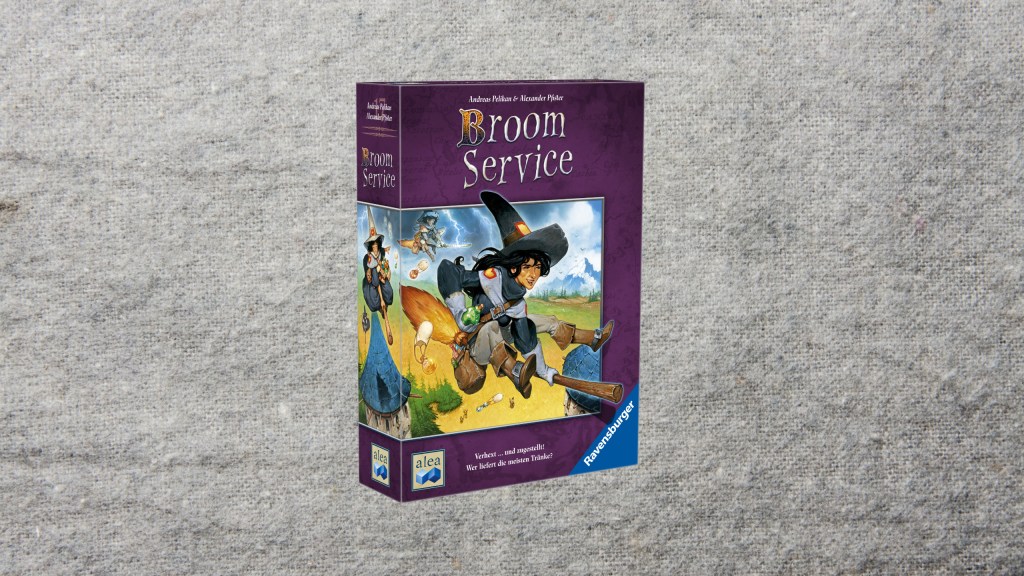


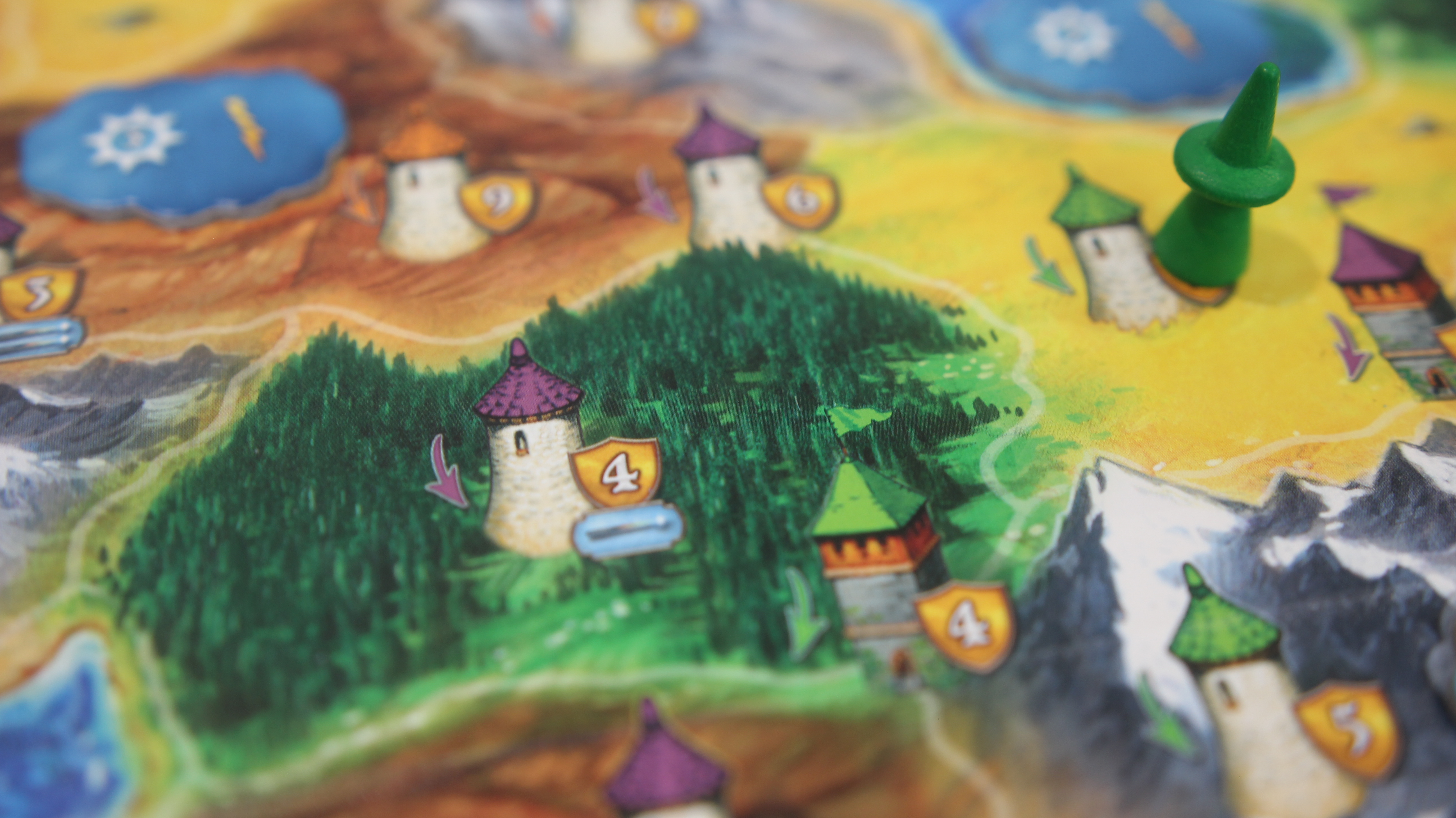
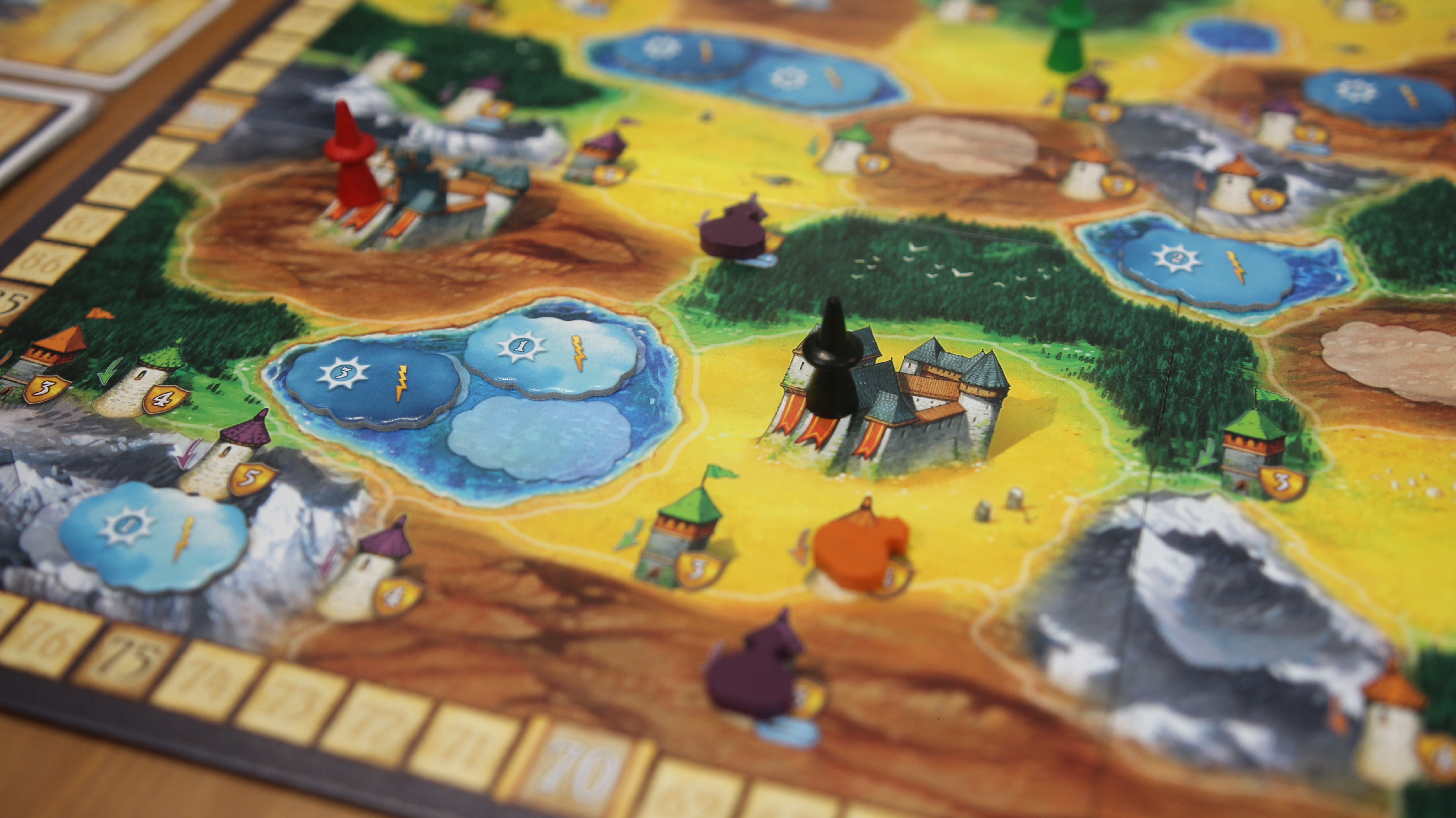

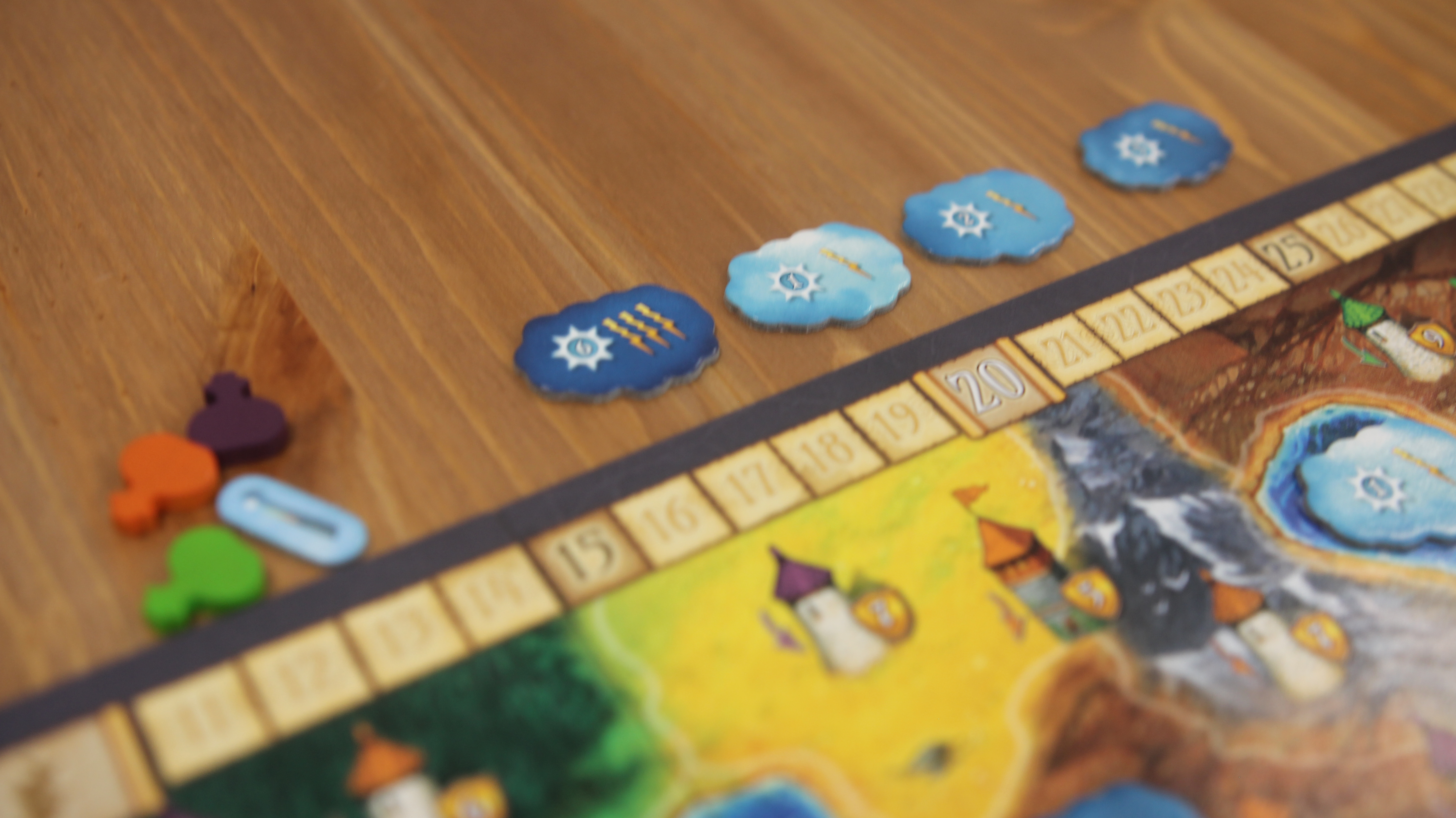


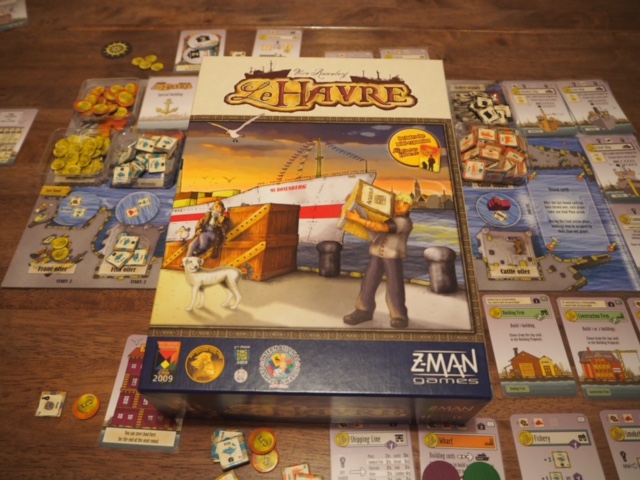
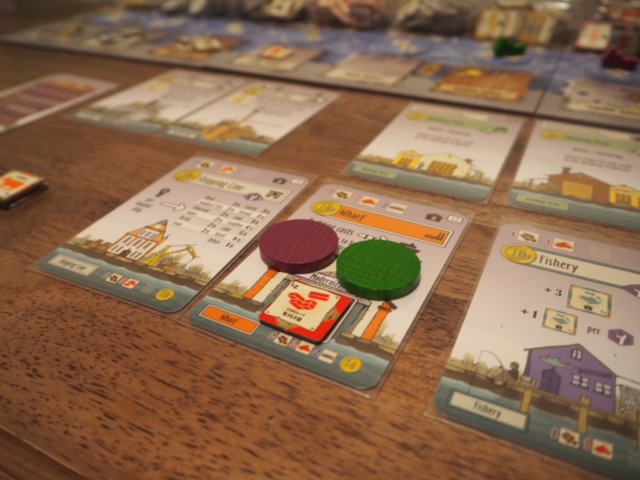

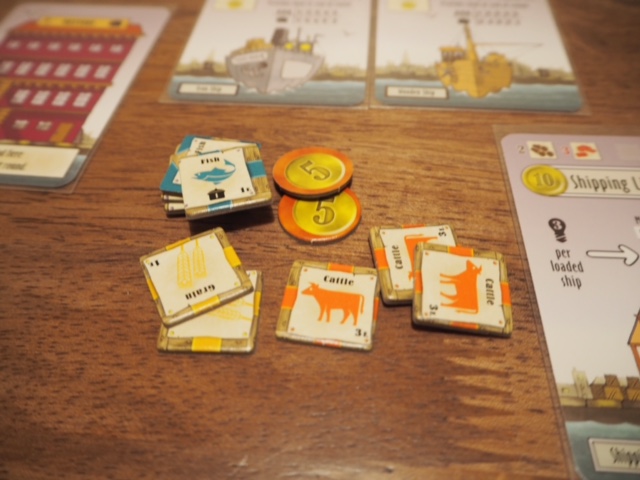


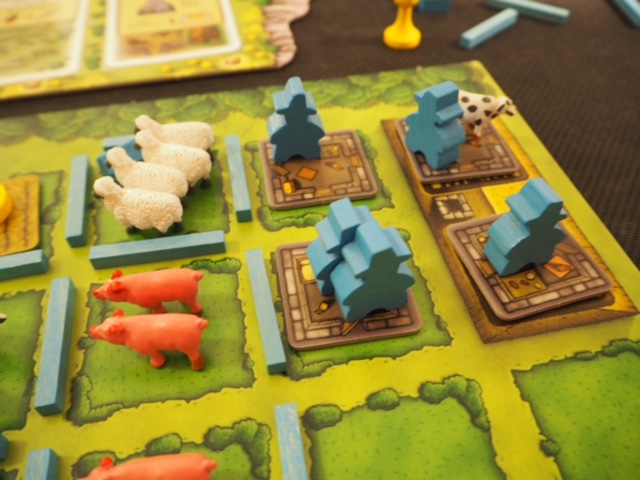
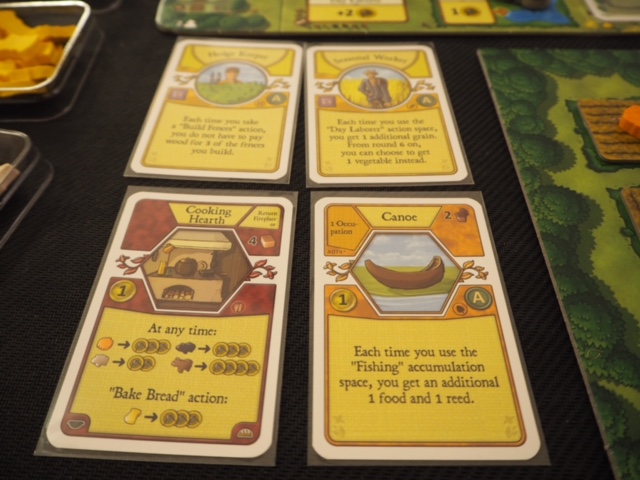

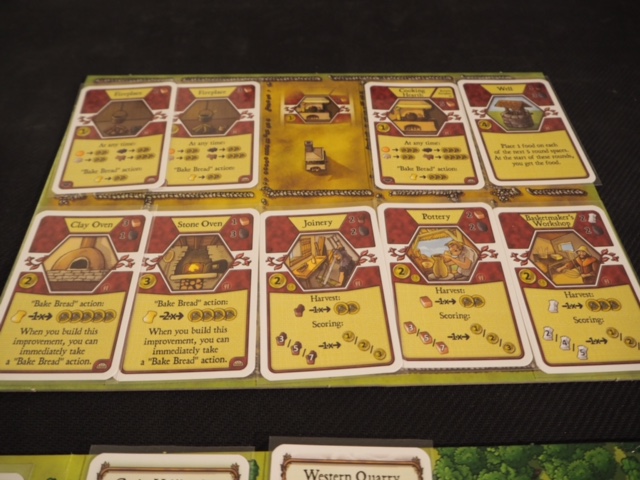

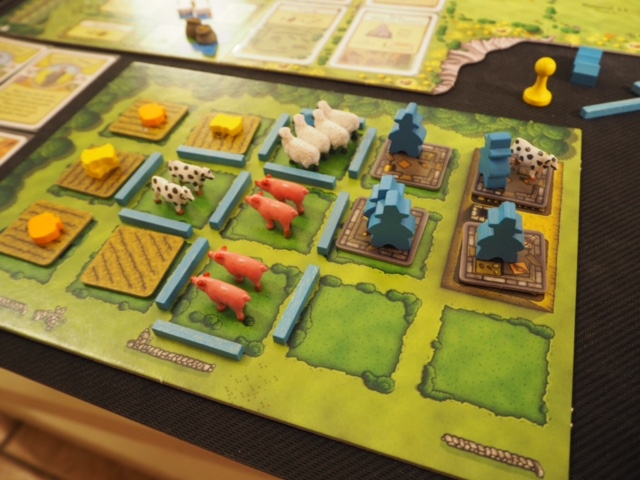
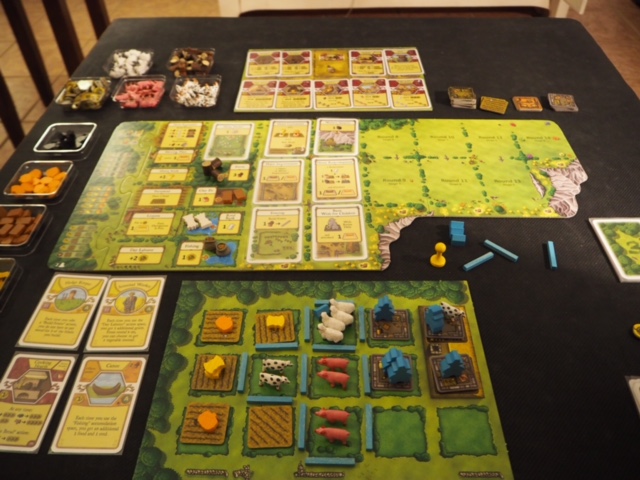


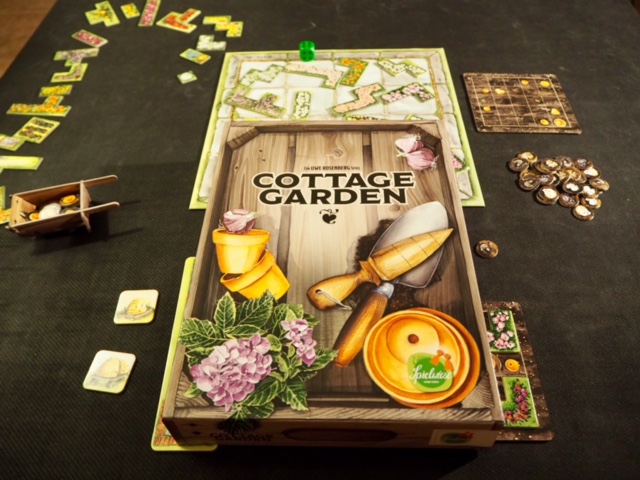
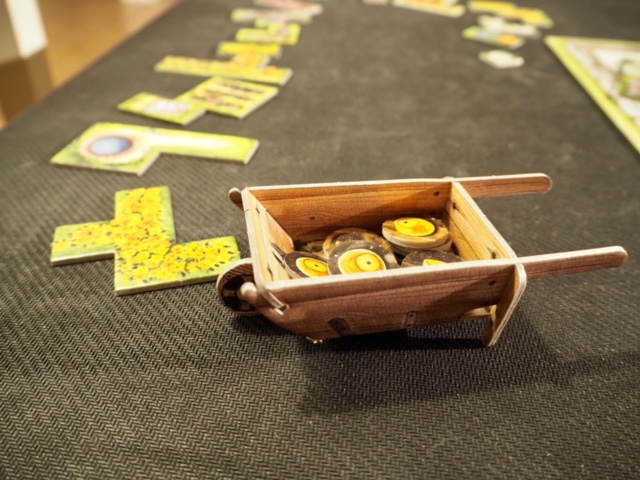

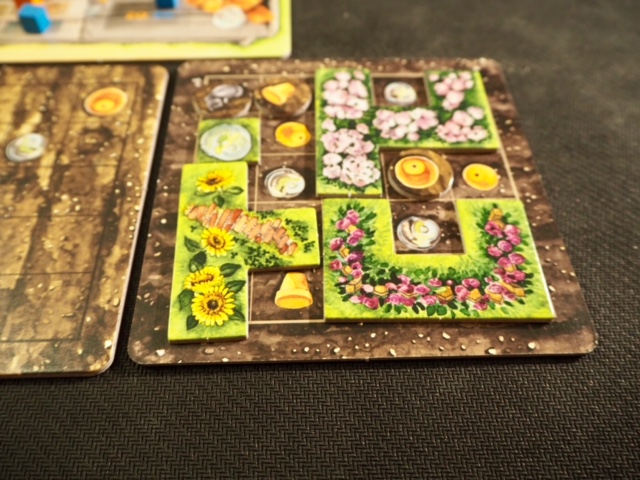
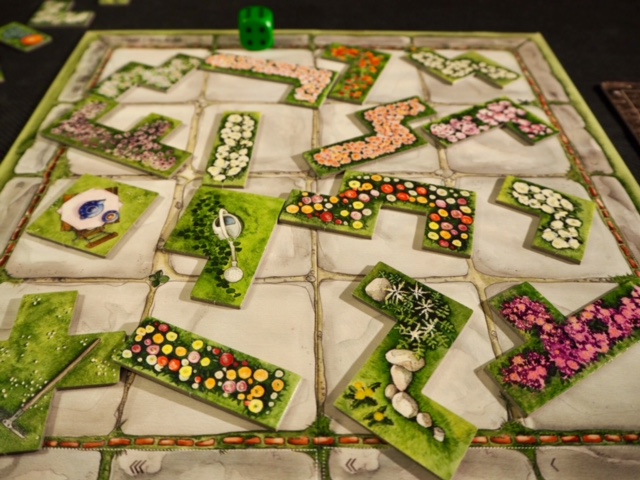
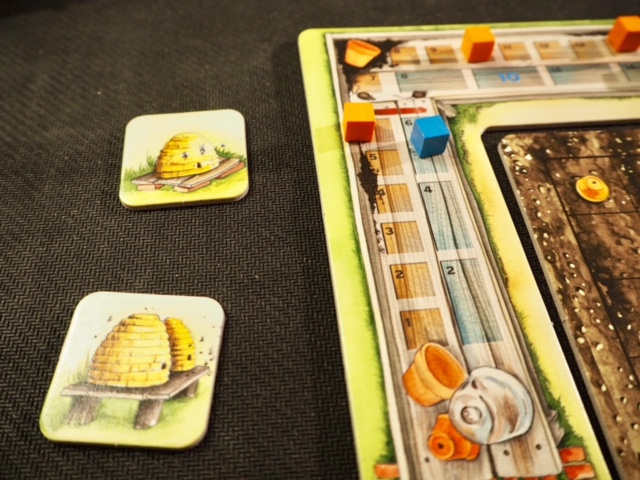
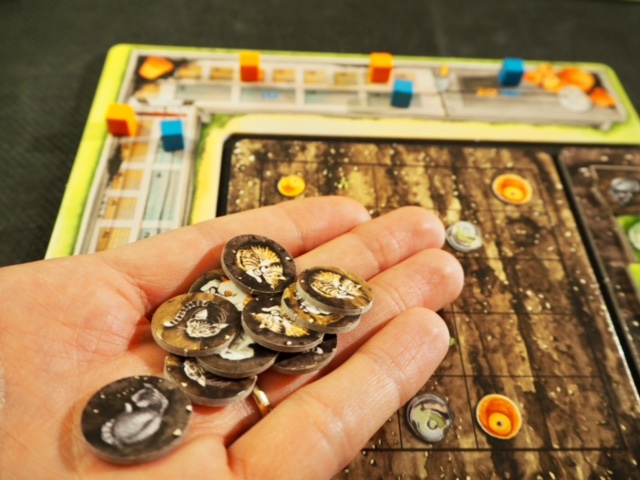
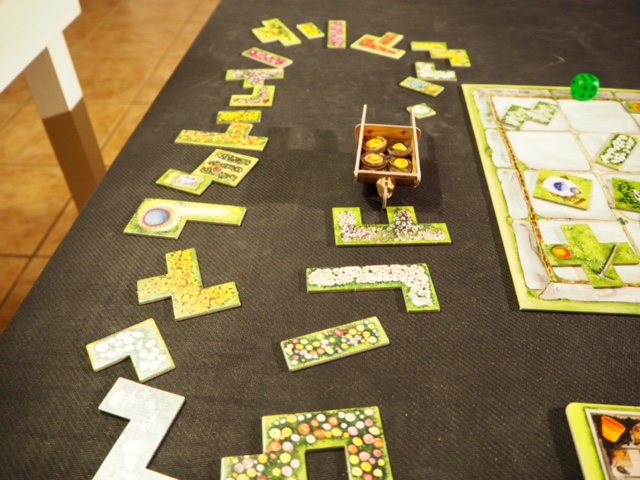

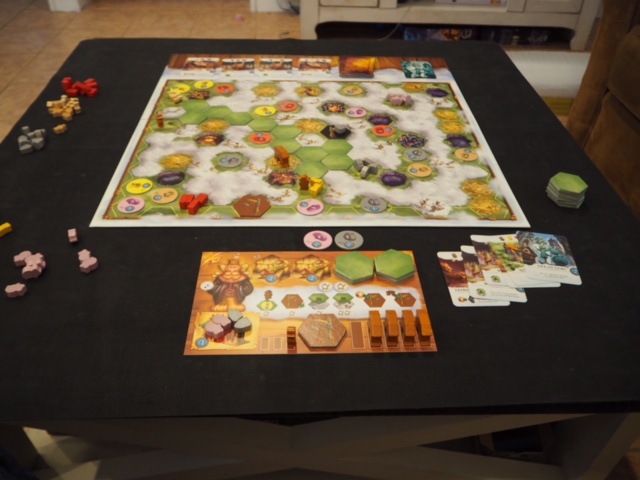


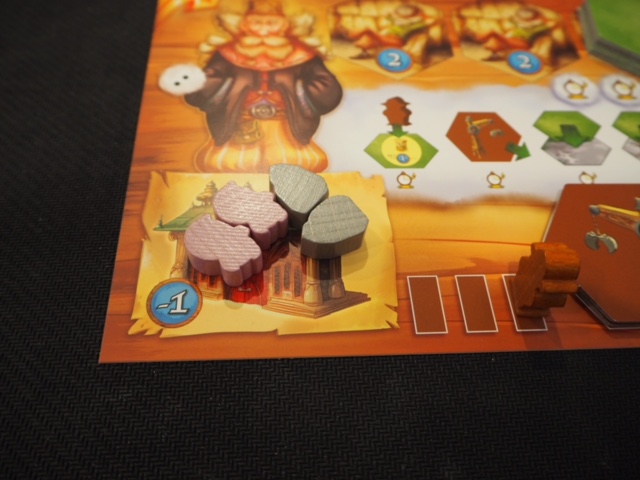

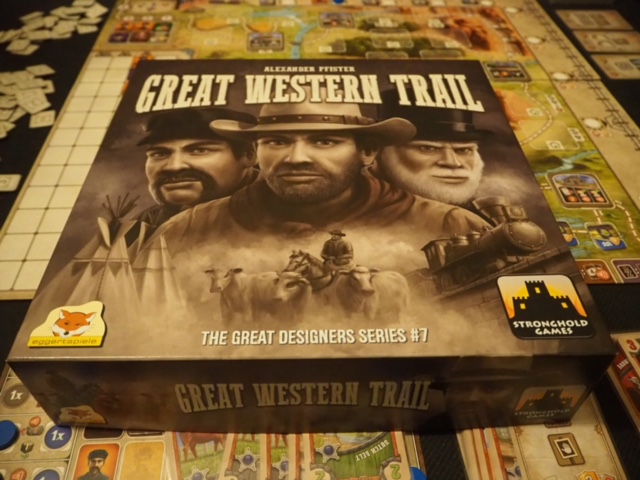
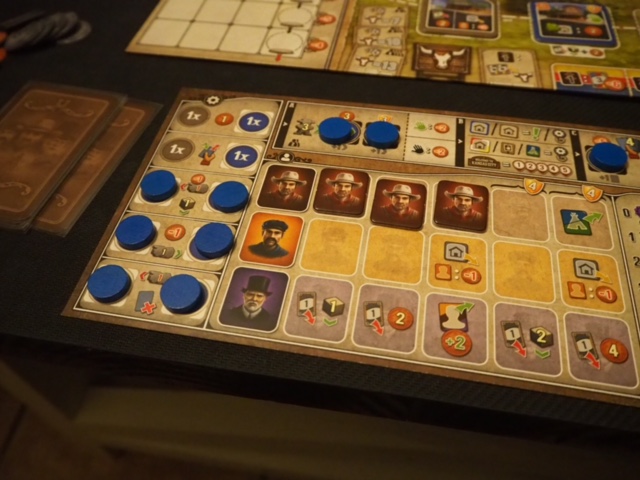
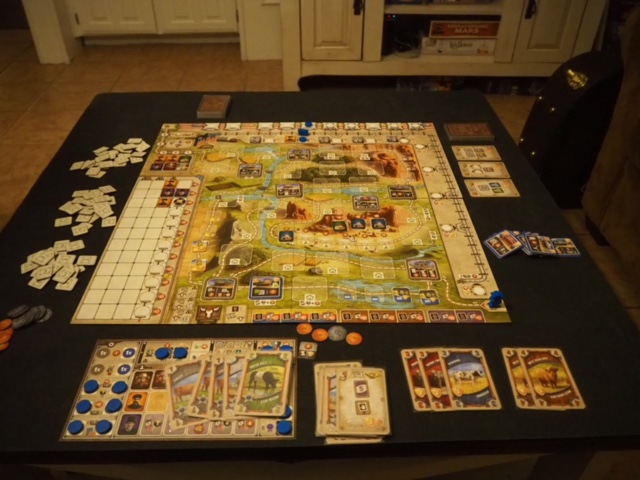


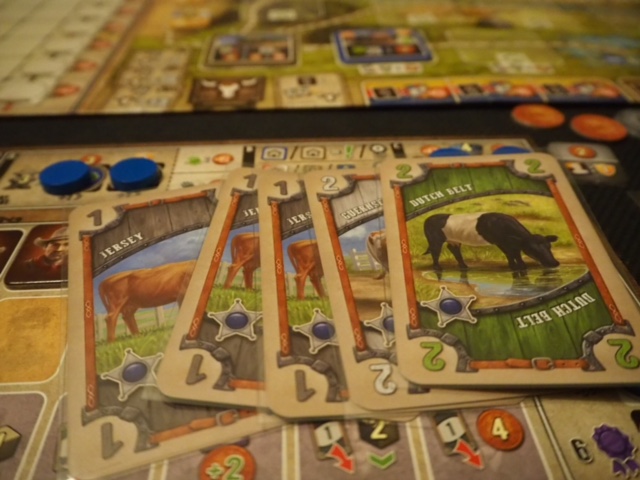

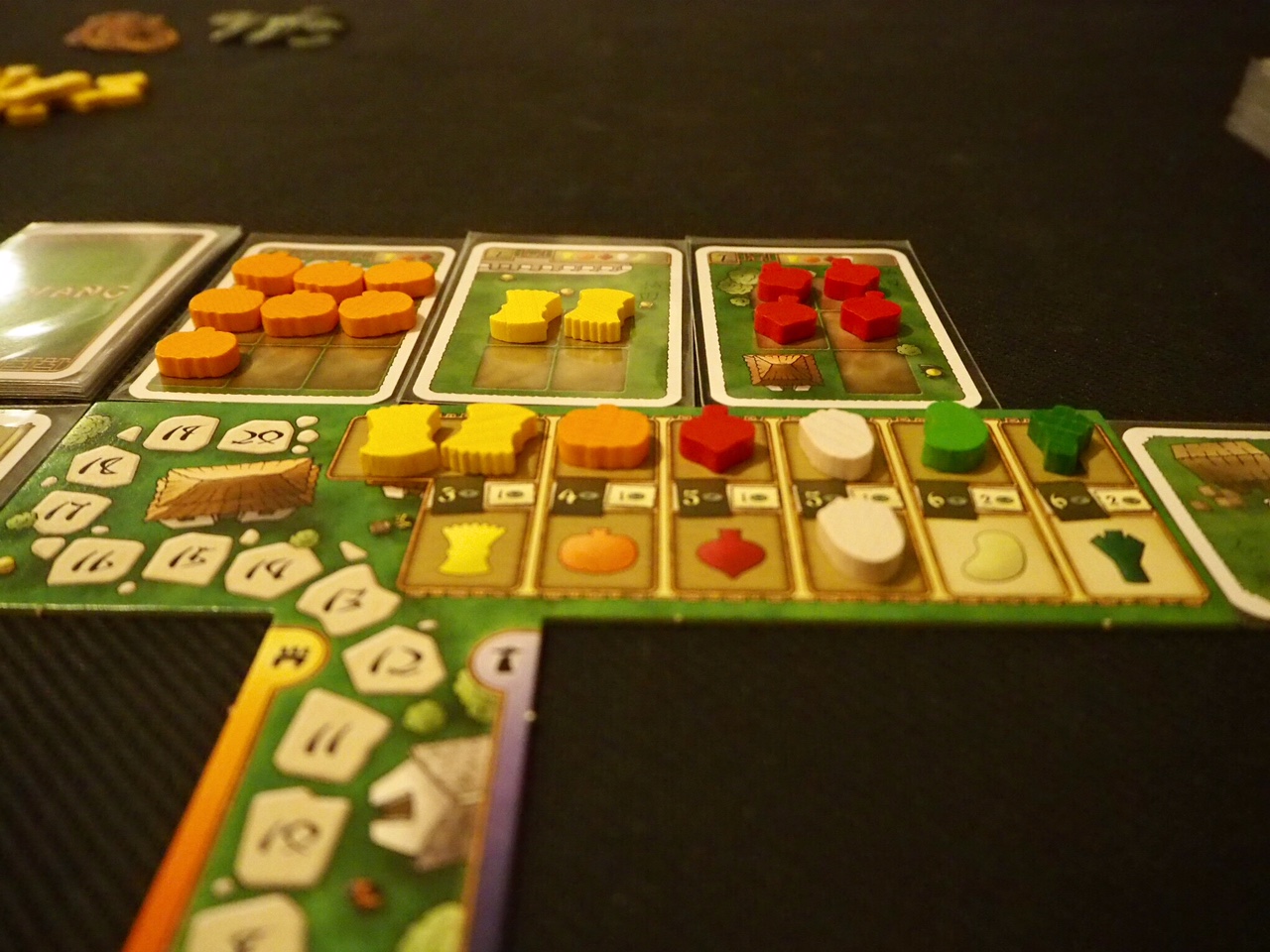
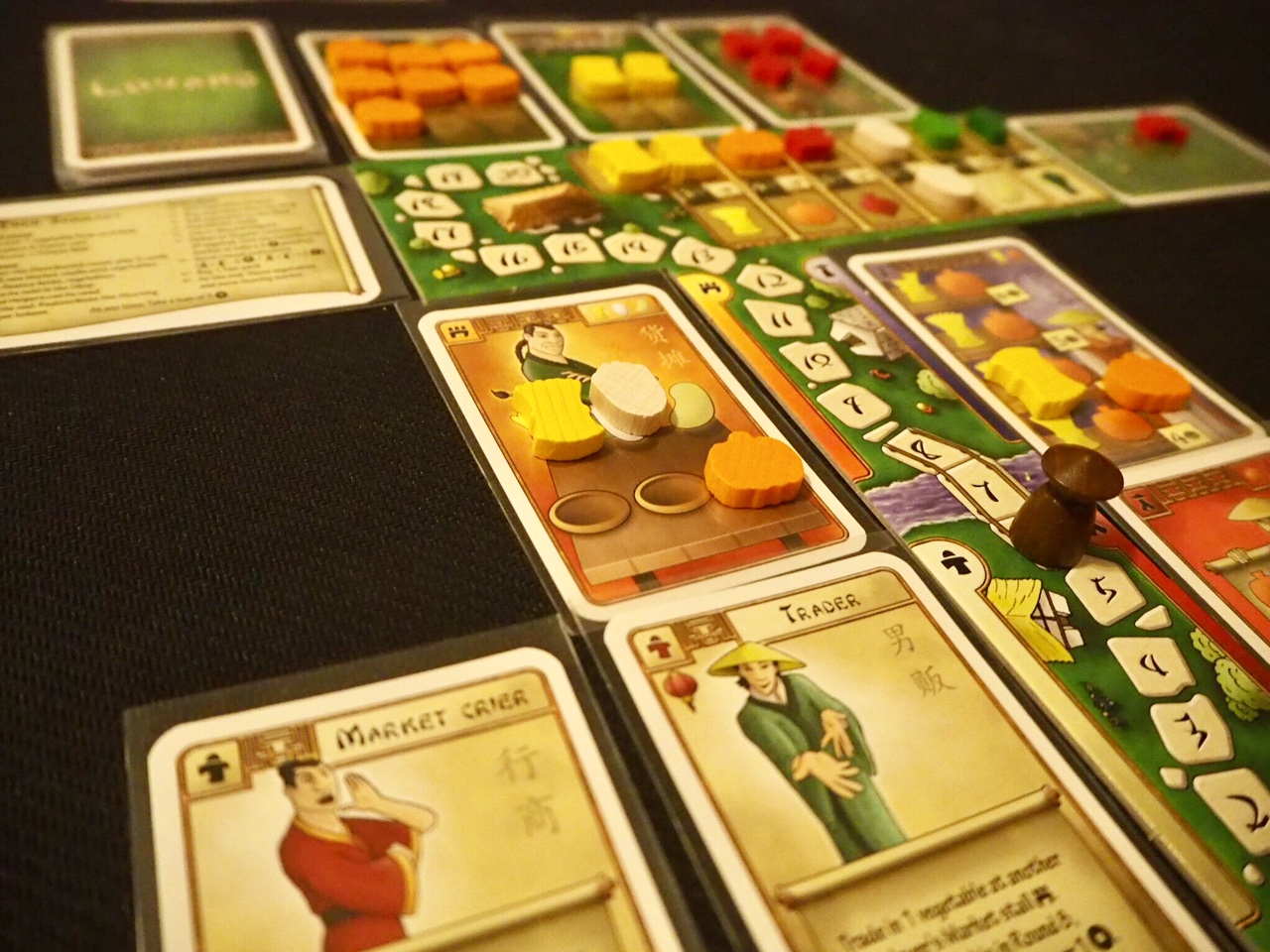

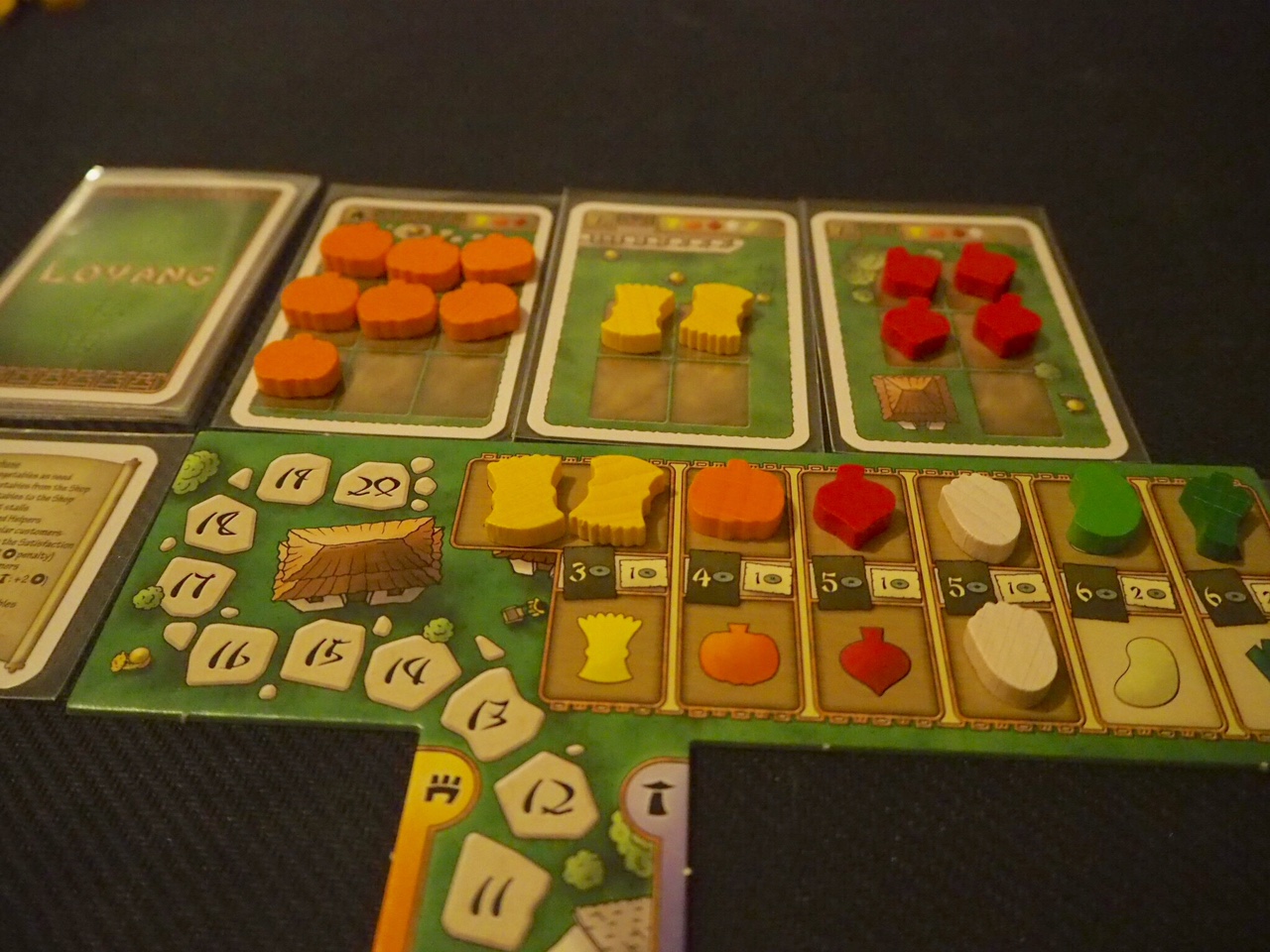



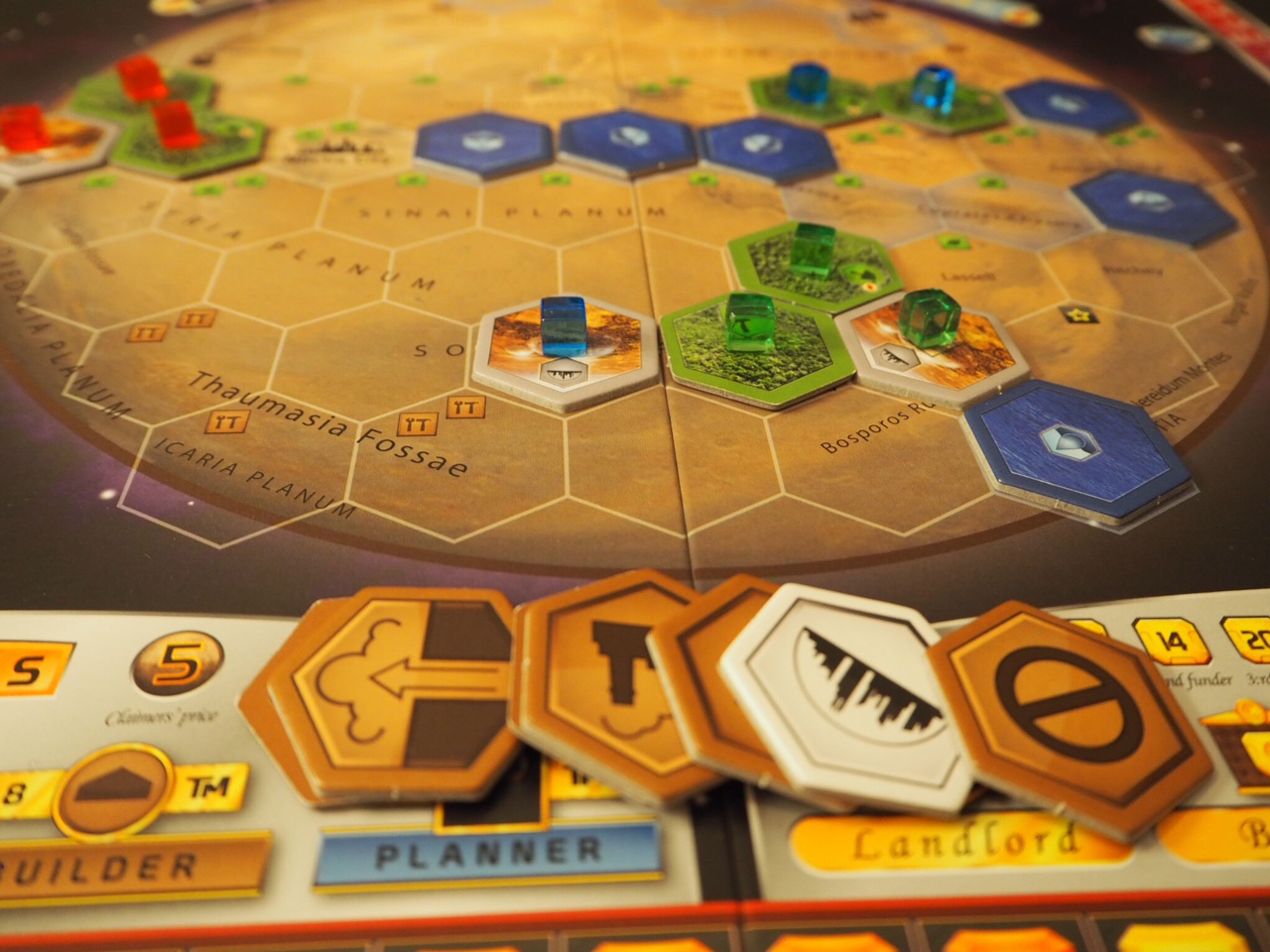
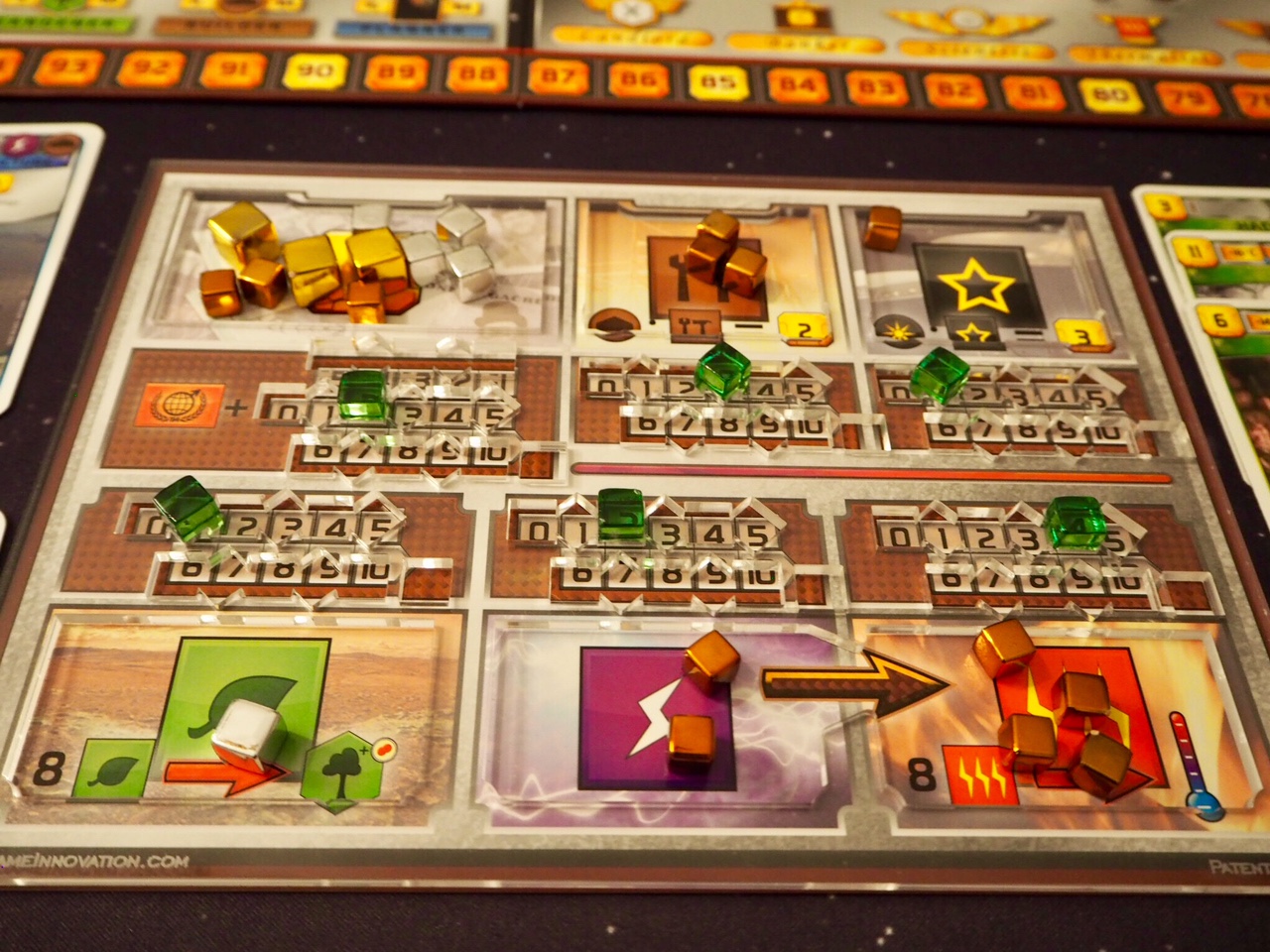



 The Dicey Review